

The HEPHAESTUS Symposium 2026, held in Bassano del Grappa from April 8 to 11, brought together researchers, craft practitioners, and institutional actors to explore the evolving role of craft within contemporary European contexts. Across four days, the programme combined talks, workshops, and collaborative sessions that examined craft as a site of knowledge, repair, innovation, and collective action. Together, these activities established a shared framework for dialogue, emphasizing collaboration, accessibility, and the importance of bridging theory and practice within the craft ecosystem. Take a glimpse into a short recap of these activities.
DAY 1 Wednesday, 8 April
Welcome and Opening of the Symposium
Fabrizio Panozzo (Ca’ Foscari University of Venice), Vishv Priya Kohli (CBS), Margherita De Luca (Ca’ Foscari University of Venice)
The opening session introduced the aims of the symposium, presented initial findings from the HEPHAESTUS project, and outlined its next steps and expected outcomes. It provided an overview of the programme and framed the discussion within current European debates on craft and cultural practices. The session highlighted the importance of fostering exchange between academic, institutional, and practice-based perspectives, emphasising collaboration as a key element for future developments.
Beyond Making: Craft as Repair and Material Practice
Professor Maria Laura Toraldo (University of Milan)
The talk examined repair as an emerging and increasingly relevant dimension within craft research and practice, drawing on interdisciplinary perspectives and empirical cases from European craft firms. It explored the complexity of repair and its implications for understanding craft, highlighting its role in shaping skills development, knowledge transmission, community formation, and long-term relationships with materials and clients.
Learning Platform Presentation and Testing
Luca Pareschi and Francesca Leonardi (Tor Vergata), Vishv Priya Kohli and Margot Bustamante (CBS)
The Life-long platform is designed to map and organise training opportunities for craft-makers, both within the HEPHAESTUS project and beyond. By combining internally developed materials with curated external resources, it aims to support users across five key competence areas: craft-making, technological, business, communication and selling, and transversal skills. A central goal of the platform is to help craft practitioners identify learning pathways tailored to their individual needs, offering a structured yet flexible approach to skills development.
The session also functioned as a live testing phase, with craft-makers and project partners actively engaging with the platform and contributing feedback. This exchange proved particularly valuable, highlighting the importance of usability and accessibility in digital learning environments. Participants emphasized the need for a more intuitive interface, with less reliance on dense text and greater use of clear, visual navigation tools. The inclusion of search filters was also identified as essential for helping users efficiently explore the breadth of available resources.
Overall, the response to the platform was highly positive. Craft-makers recognized its potential as a meaningful and practical tool for ongoing learning, while their suggestions provided clear direction for refinement—particularly in enhancing readability and user experience. This iterative, user-informed approach reflects the project’s broader commitment to developing tools that are not only innovative, but genuinely responsive to the needs of the craft community.
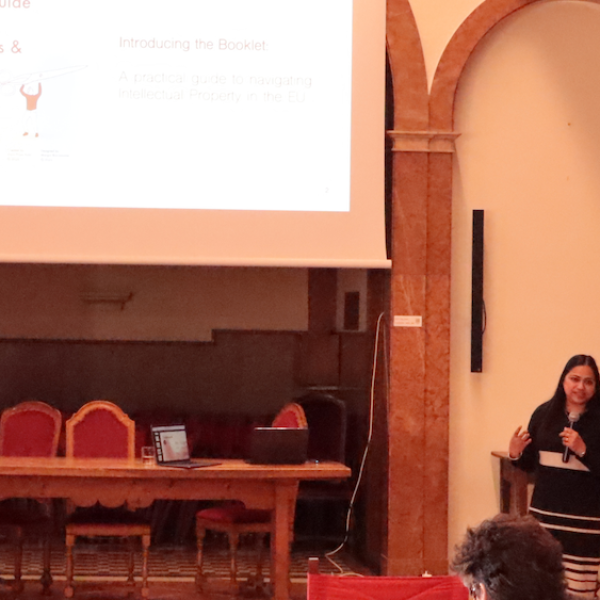
IP Booklet: EU Intellectual Property Guide for Artists, Craftmakers & Designers
Authors & presenters: Vishv Priya Kohli and Margot Bustamante (CBS)
At the HEPHAESTUS Symposium, an interactive session introduced the EU Intellectual Property Guide for Artists, Craftmakers & Designers, a practical toolkit developed by Vishv Priya Kohli and designed by Margot Bustamante (CBS). The session brought together craftmakers, artists, and researchers to explore the first version of the booklet and to collectively reflect on how intellectual property frameworks can better support creative practice within the European context.
Rather than a one-directional presentation, the activity was structured as an open exchange, encouraging participants to engage directly with the material and share their experiences. This collaborative format highlighted the importance of accessible, practice-oriented resources for navigating intellectual property rights—an area often perceived as complex or distant from everyday creative work.
The feedback gathered during the session underscored both the relevance and the potential impact of the booklet. Participants expressed strong support for the initiative, emphasizing the need for the guide to be widely accessible. Suggestions included producing the booklet in both colour and black-and-white formats, ensuring availability in print and digital versions, and adapting it for dyslexic audiences to maximize inclusivity.
Beyond format considerations, the discussion revealed a broader demand for such tools, particularly in the context of artistic collaboration. Participants noted that clearer guidance on intellectual property could empower creators to engage more confidently in shared projects, fostering both innovation and fair practice. Together, these insights point to the booklet’s role not only as an informational resource but also as a catalyst for more informed and equitable creative ecosystems.
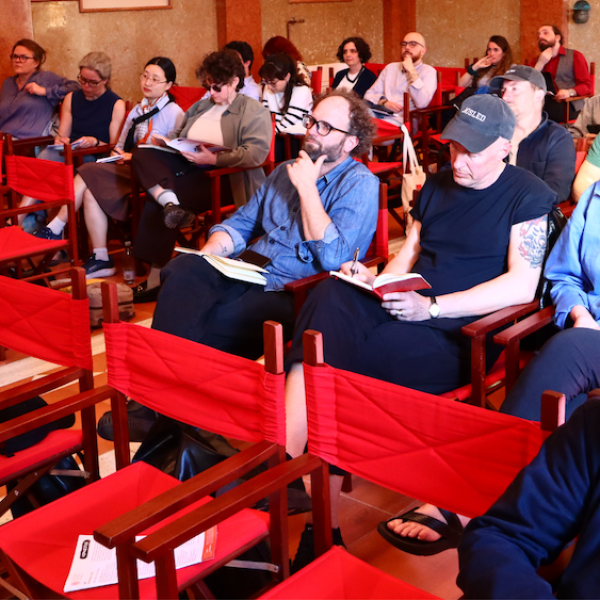
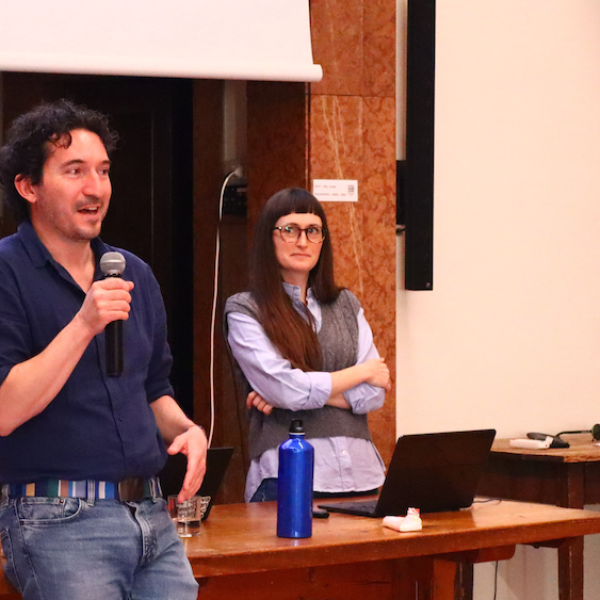
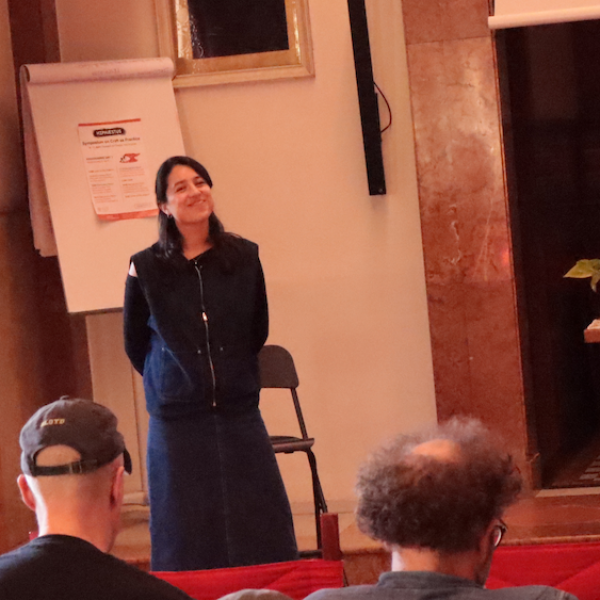
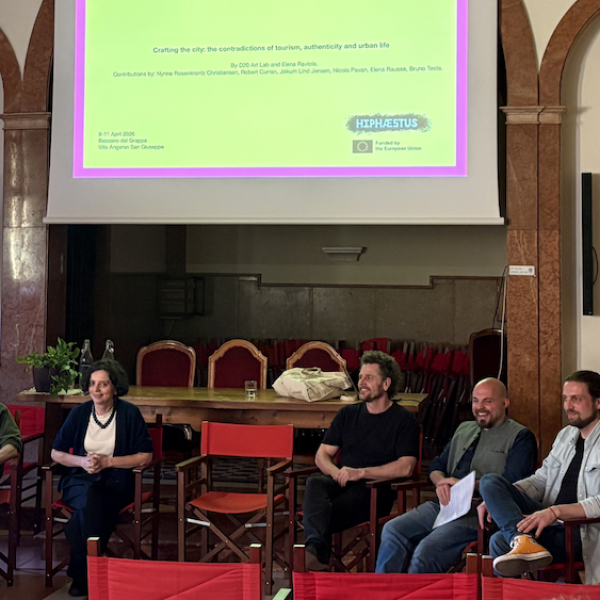
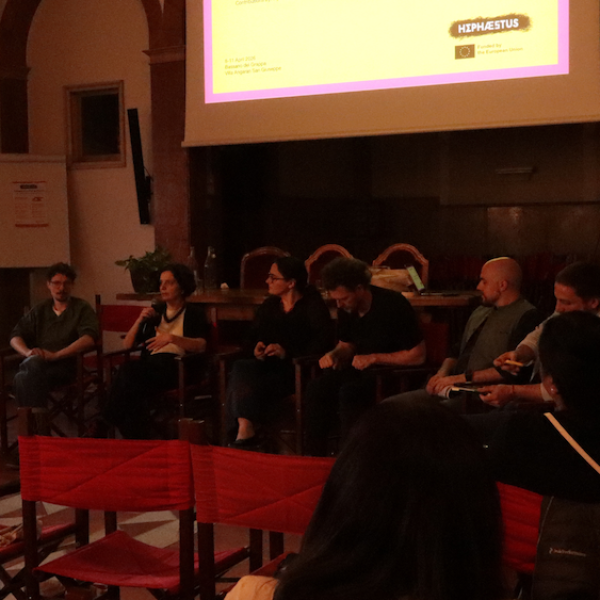
Crafting the city: the contradictions of tourism, authenticity, and urban life
D20 Art Lab and Elena Raviola
Contributions by: Nynne Rosenkrantz Christiansen, Robert Curran, Jokum Lind Jensen, Nicola Pavan, Elena Rausse, Bruno Testa.
DAY 2 Thursday, 9 April
Craft as Collective Action: Workshop with Otto von Busch (Parsons School of Design)
Otto von Busch
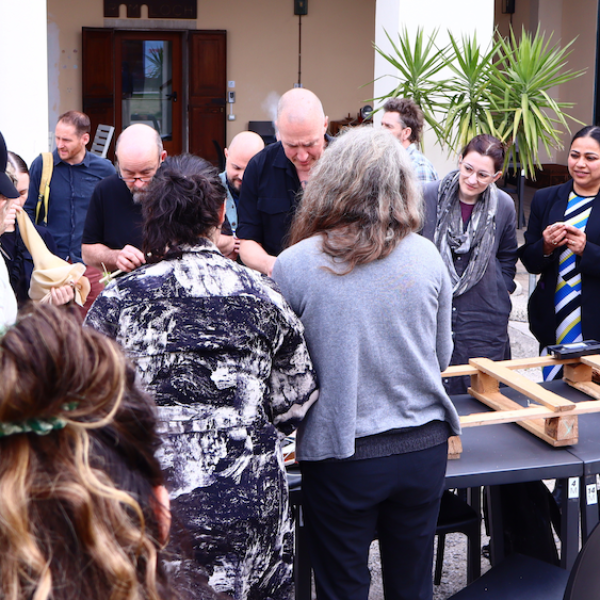
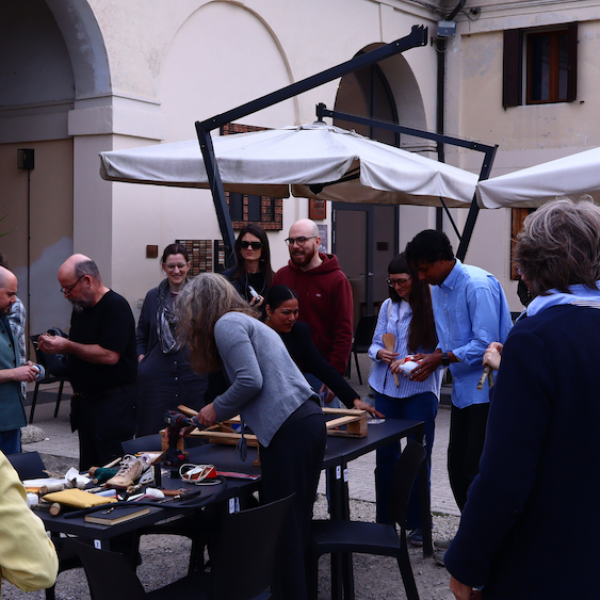
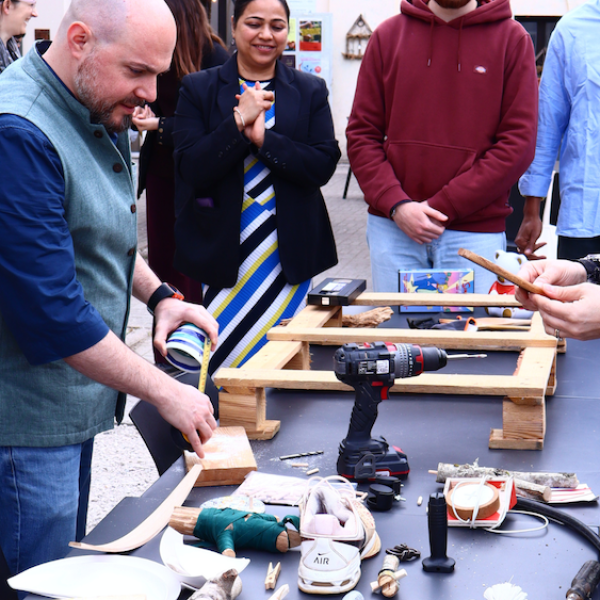
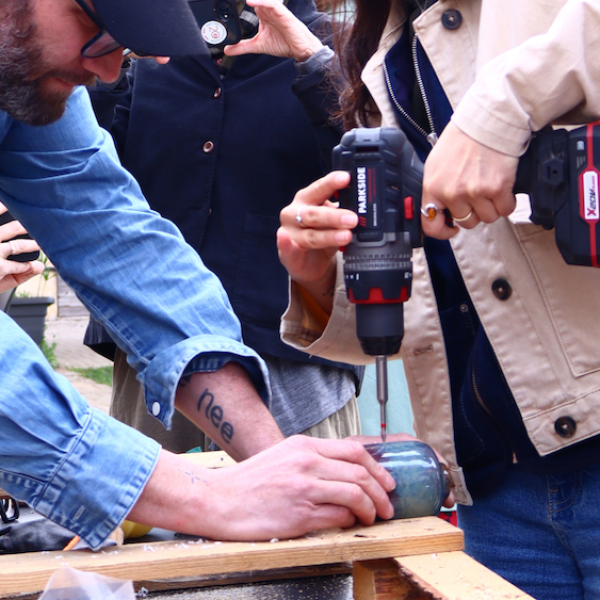
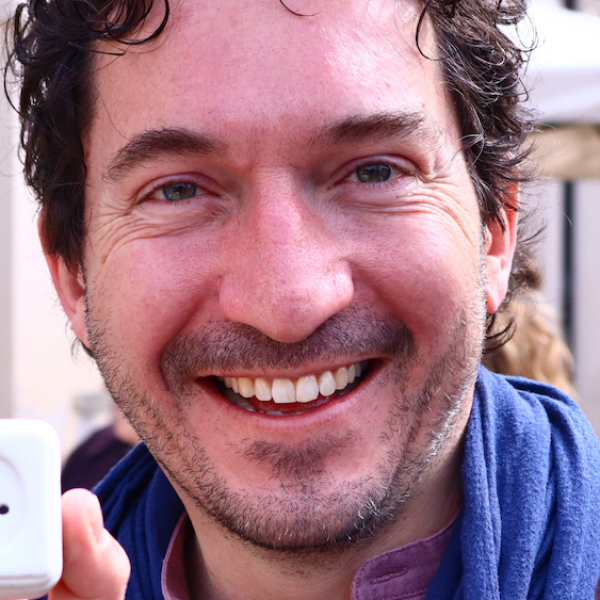
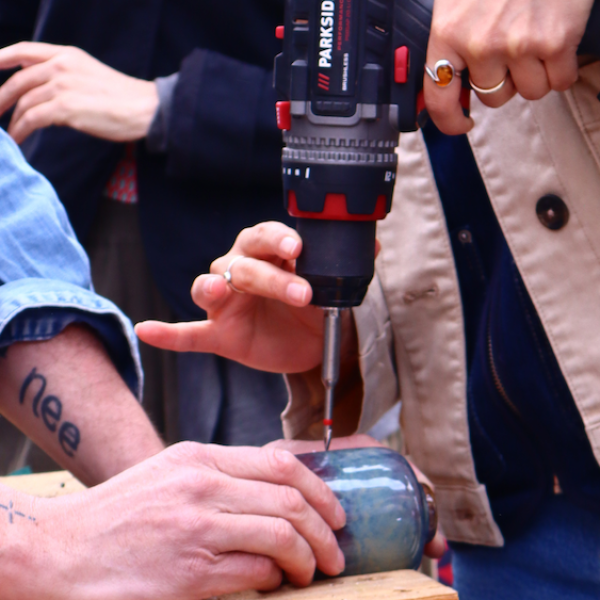
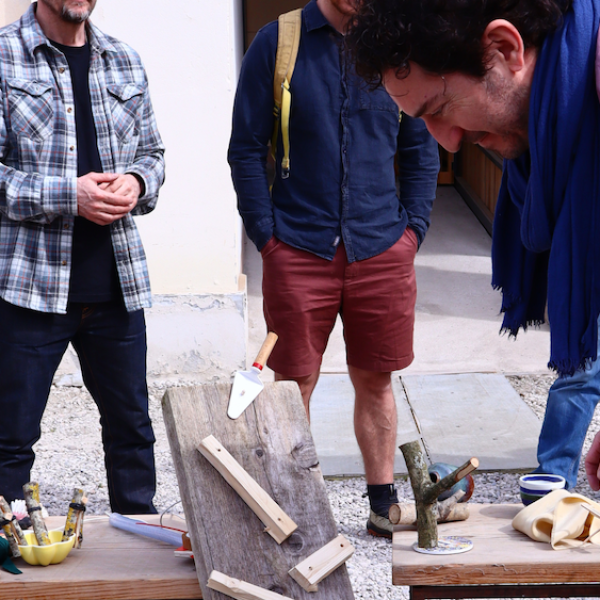
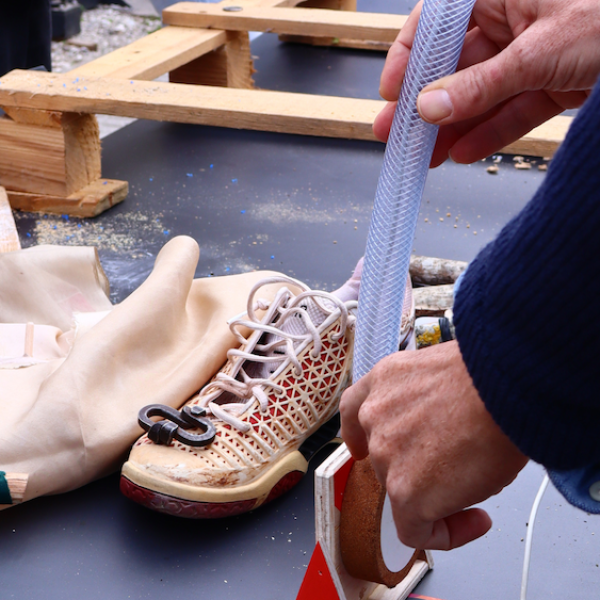
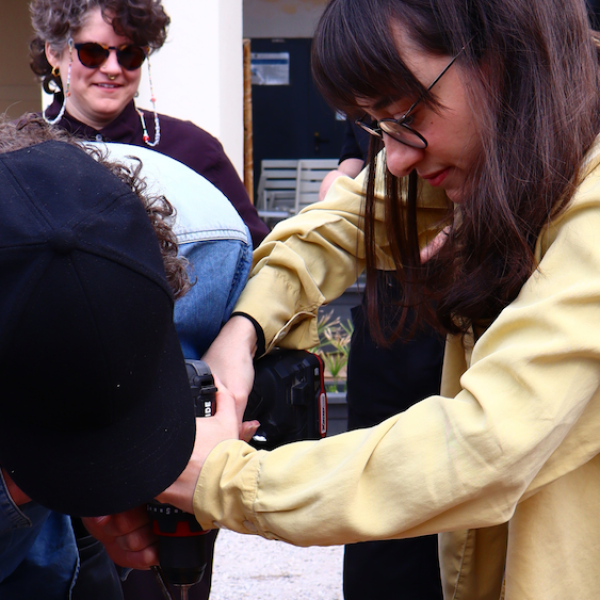
The talk and workshop explored craft as a collective practice and a tool for social activism and shared innovation. In the talk, Otto presented craft as a method for generating new capacities for action, and introduced the OpenSloyd protocol and led a hands-on activity. Participants brought everyday objects into which we drilled a 6 mm hole and used wooden dowels to connect objects with other objects, like a craft Lego.
The format of the workshop was simple enough and participants seemed to immediately grasp the idea of the OpenSloyd protocol. A challenge however was to move the format from a fun activity towards its innovative and community-building potential. The next step would be to have more time to craft modular components that enhance the function and expression of objects, increasing their capacities while also offering crafters a glimpse of the increasing potential of modularity when surrendering some control. More time to discuss the potential and experiment more seriously, for example during a retreat or a series of days working together would also be beneficial.
Emerging collaboration and Hephaestus aftermath
Lukas Arons and Alberto Scodro
At the HEPHAESTUS Symposium, Alberto Scodro and Lukas Arons shared insights from their 2025 collaboration during the Stone Sculpture Muse Symposium in Luxembourg. Their presentation offered a unique perspective on the development of a sculptural work, opening up the creative process in a way that is rarely visible to the public.
What made this exchange particularly compelling was its focus on process rather than outcome. By reflecting on how their shared interest in sculpture evolved into a collaborative practice, Scodro and Arons highlighted the value of dialogue, experimentation, and mutual learning. The presentation sparked strong engagement from the audience, who were intrigued by this unconventional way of understanding artistic development. The discussion that followed was lively, with numerous questions exploring both the practical and conceptual dimensions of collaboration.
Importantly, this partnership was self-initiated and developed outside the formal structure of the HEPHAESTUS project. Yet, it stands as a powerful example of the kind of organic, practitioner-led collaboration that the project seeks to encourage. It demonstrated how shared interests can become starting points for broader exchanges—extending across places, contexts, and communities.
The session also opened an ongoing conversation about how such collaborations might be supported and sustained in the future, both within and beyond the HEPHAESTUS network. At its core was a shared recognition of the importance of continuing these exchanges of knowledge, techniques, and experiences—ensuring that craft remains a dynamic, evolving field shaped by connection and collective exploration.
Creating through Destruction: Mixed Media Workshop
Sara Lando
A participatory workshop invited attendees to explore creativity as an open, process-driven practice. Following a brief introduction to the facilitator’s artistic approach and reflections on the role of creativity, participants were guided into an “art warm-up” exercise designed to challenge conventional expectations of making.
The exercise asked participants to destructively transform two identical printed images in different ways within a limited time frame, documenting the process as they worked. This initial activity set the tone for a hands-on exploration that emphasized experimentation, spontaneity, and the acceptance of imperfection.
Building on this, participants were given a folded A4 sheet and invited to create a small zine using a variety of materials, including paint, printed images, found objects, glue, thread, putty, and ink. The resulting artist books became traces of each participant’s presence in that specific moment—unique, personal expressions shaped by interaction with materials and process rather than predefined outcomes.
The workshop highlighted how such practices can be especially powerful in diverse groups. By embedding the possibility of “failure” into the instructions, participants felt less pressure to achieve polished results and were more willing to engage freely with the creative process. This openness often led to unexpected and compelling outcomes, suggesting that, given more time, these explorations could evolve into more developed works.
Beyond the objects produced, the session fostered meaningful connections among participants. Observing one another at work created a sense of immediacy and understanding, accelerating interpersonal exchange. The informal and experimental atmosphere also encouraged organic conversations, allowing themes from previous sessions to intertwine with personal experiences, and reinforcing creativity as a shared, accessible, and evolving practice.
Why craft? Framing the conversation
Margherita De Luca (Ca’ Foscari University of Venice), Camilla Ferri Copenhagen Business School), Bruno Testa and Elena Rausse (craft makers from Nove)
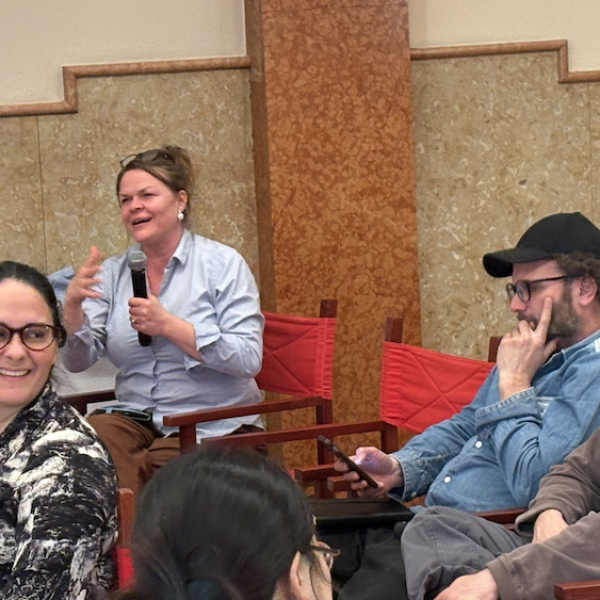
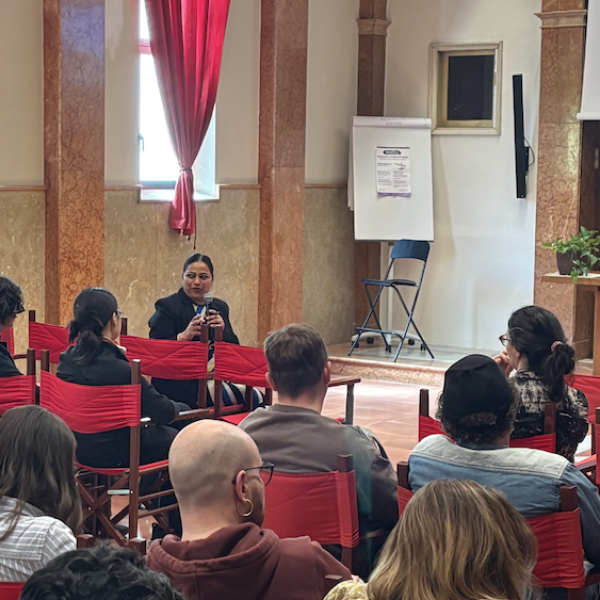
The session took the form of a collective discussion exploring different perspectives on craft, its meanings, and its contemporary relevance, drawing on participants’ experiences and questions. Building on a previous poll conducted within the HEPHAESTUS project, the speakers identified and grouped key themes relevant to the study and practice of craft.
With the support of the artist Sara Lando, these macro-themes were further organised, and participants were invited to contribute keywords and reflections by writing them on post-its. Participants engaged actively in the exercise, showing particular interest in themes related to knowledge transmission, material relationships, and sustainability, which generated a lively discussion across different perspectives.
The resulting visual “heat map” highlighted shared priorities and points of divergence among consortium members and artisans, informing both the identification of key words and themes and the design of the hands-on session on the following day.
DAY 3 Friday, 10 April
Visit to Nove
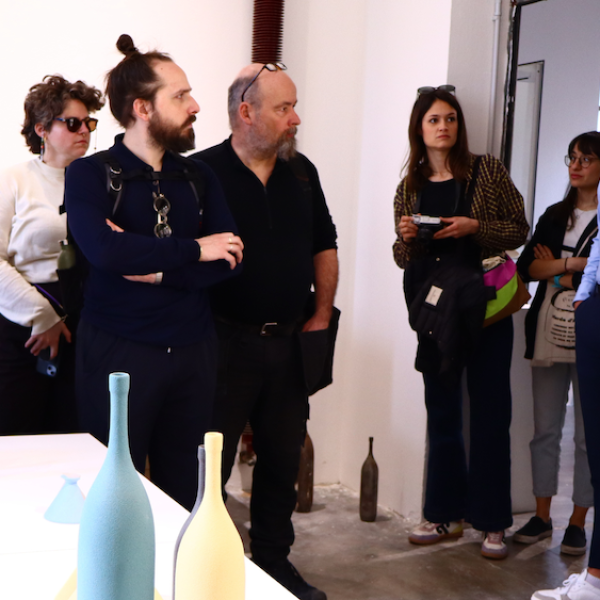
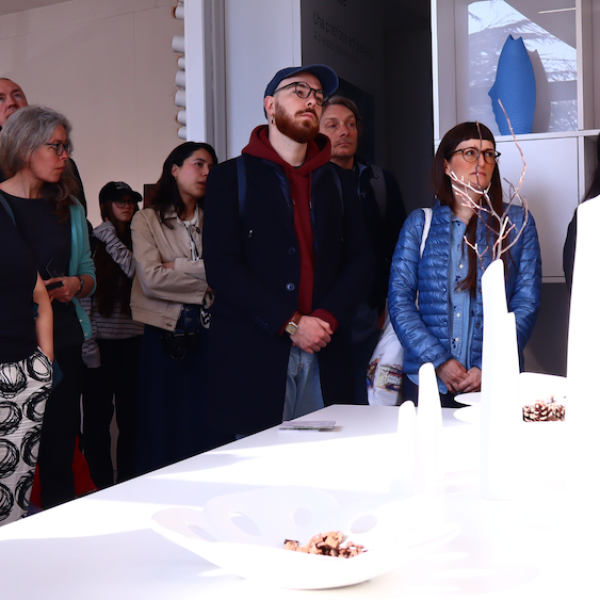
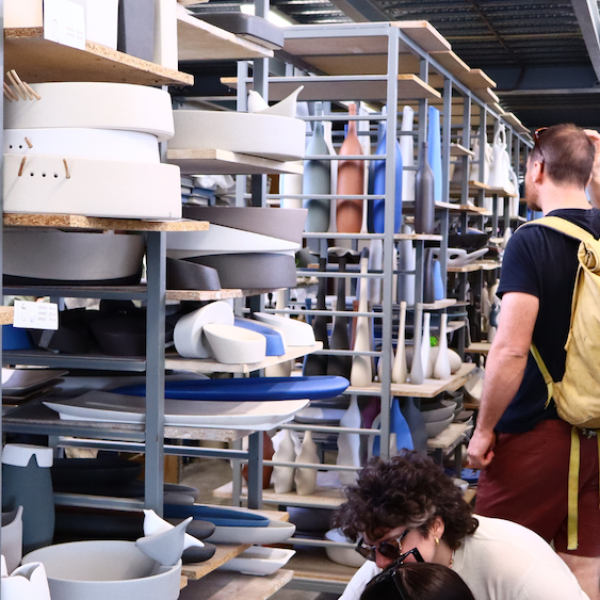
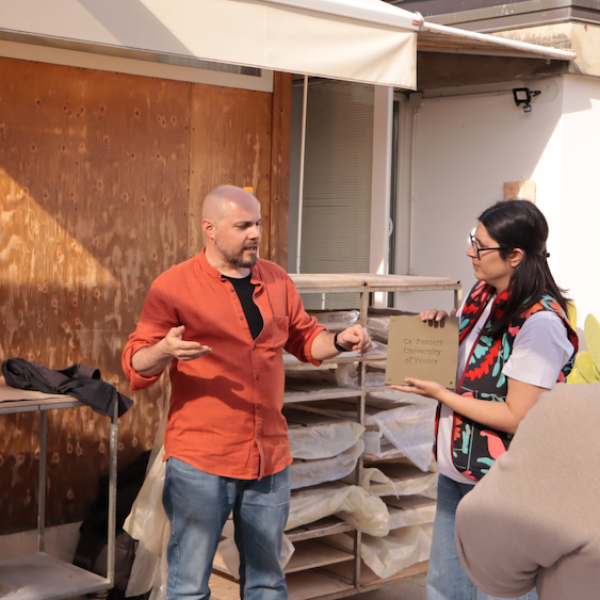
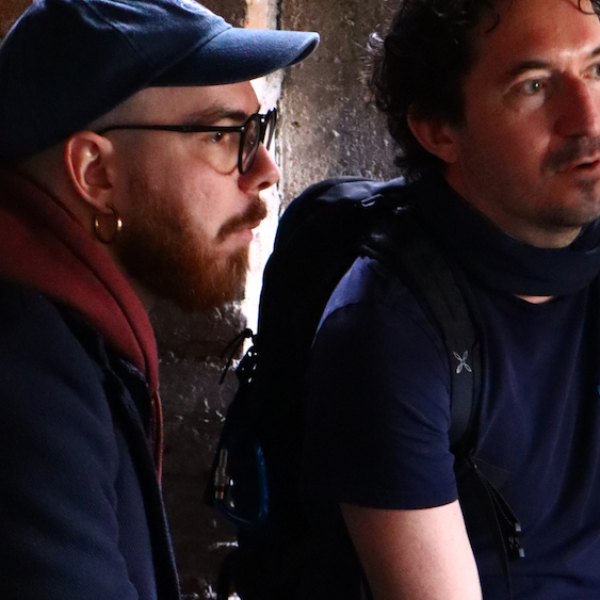
As part of the HEPHAESTUS project Symposium, participants visited Nove on April 10, 2026, gaining insight into one of Italy’s most important ceramic districts. The visit revealed a “living landscape of craft,” where centuries-old traditions coexist with contemporary experimentation. Guided by Elena Agosti, the programme followed a coherent trajectory centred on ceramics, with each stop offering different perspectives, techniques, and interpretations of the practice.
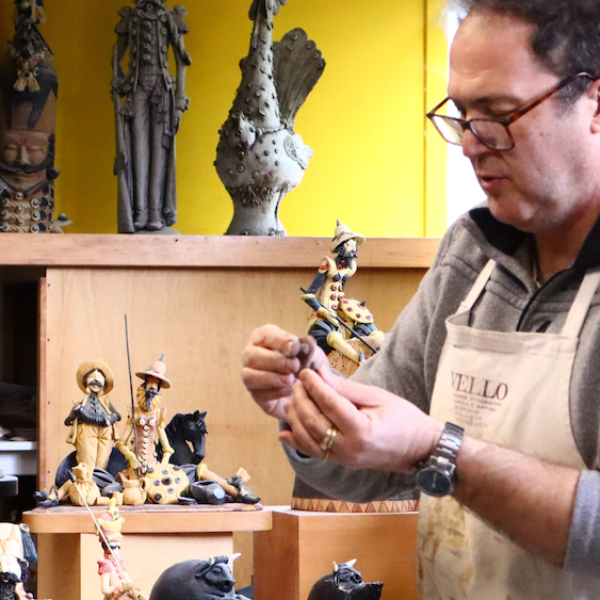
At Lineasette, participants were welcomed into the showroom, where they explored selected pieces and learned about the company’s history and production approach. After a short stop in Piazza degli Scacchi in Marostica, the group visited the workshop of Diego Poloniato, who introduced the tradition of cuchi, ceramic whistles inspired by the sound of the cuckoo, sharing both its history and his personal reinterpretation of these curious objects. The live demonstration of the making process was a particularly engaging moment, offering a close look at the skills and gestures involved, and prompting strong interest among participants.
The visit continued through selected sites of the Diffused Museum, culminating at the Antico Mulino Pestasassi, where the history of the mill highlighted the relationship between natural resources and ceramic production in the area. The lunch at Hotel Le Nove added a further layer to the experience, showing how contemporary design can engage with and reinterpret local craft culture.
In the afternoon, the visit to Stylnove Ceramiche provided insight into production processes, mould-making techniques, and collaborations with designers, offering a valuable perspective on the intersection between craft and industry.
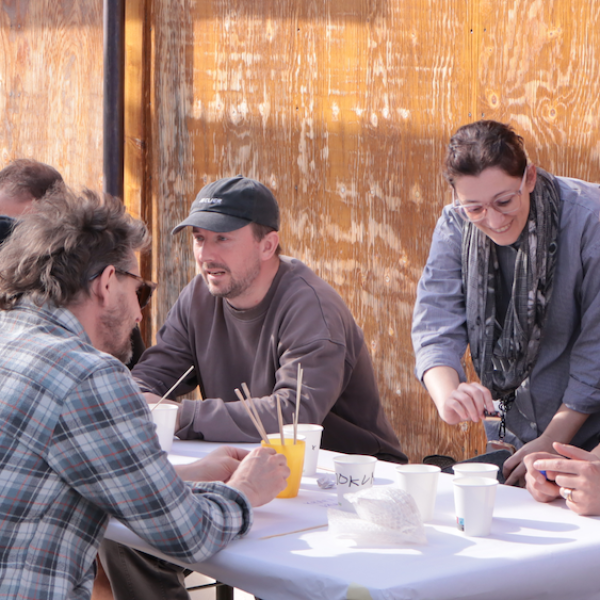
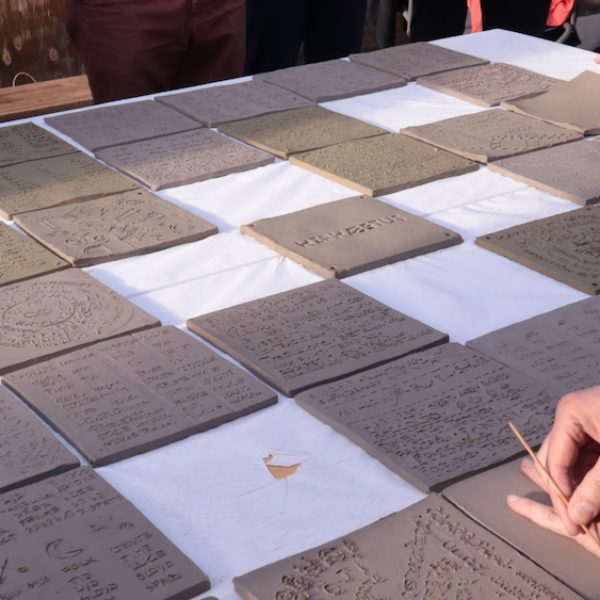
The day concluded at Te.Ra Design Studio with a hands-on session led by Elena Rausse and Bruno Testa, where participants actively engaged with materials and translated into practice some of the themes that had emerged throughout the symposium. Overall, the visit combined observation and direct experience, fostering discussion and a deeper understanding of Nove’s ceramic culture.
Learn more about the visit and see the photo gallery.
Making Together: A Shared Ceramic Process
Elena Rausse and Bruno Testa, Te.Ra Design Studio
A hands-on ceramic-making session was held at Laboratorio Sartori in Nove, guided by craft makers Elena Rausse and Bruno Testa. Participants collectively explored and materialised the key themes emerging from the symposium through a shared ceramic process. The activity fostered dialogue and creative exchange, bridging theoretical discussion with tangible, collaborative making.
The shared making process proved to be a powerful tool for breaking down disciplinary boundaries among participants, encouraging spontaneous conversation and mutual learning. Working with clay required participants to slow down, listen to the material, and negotiate collective decisions — mirroring the collaborative dynamics discussed during the symposium. A key lesson learned is that hands-on, craft-based activities can effectively complement academic discourse by grounding abstract ideas in embodied, shared experience.

DAY 4 Saturday, 11 April
Round Table: Research Perspectives and Final Remarks
Vishv Priya Kohli (CBS) & Fabrizio Panozzo (Ca’ Foscari University of Venice)
A concluding round table reflecting on the main insights emerging from the symposium was conducted as the final activity. It brought together participants’ perspectives and experiences. The session offered a final space for discussion and for sharing possible future directions. There was widespread satisfaction with the current 2026 symposium and agreement that such exchange between artist, researchers and craft makers, would be valuable in the future. There was unanimity regarding continuing activities, such as artist residencies, access to learning activities and establishing networks that would survive post-project.