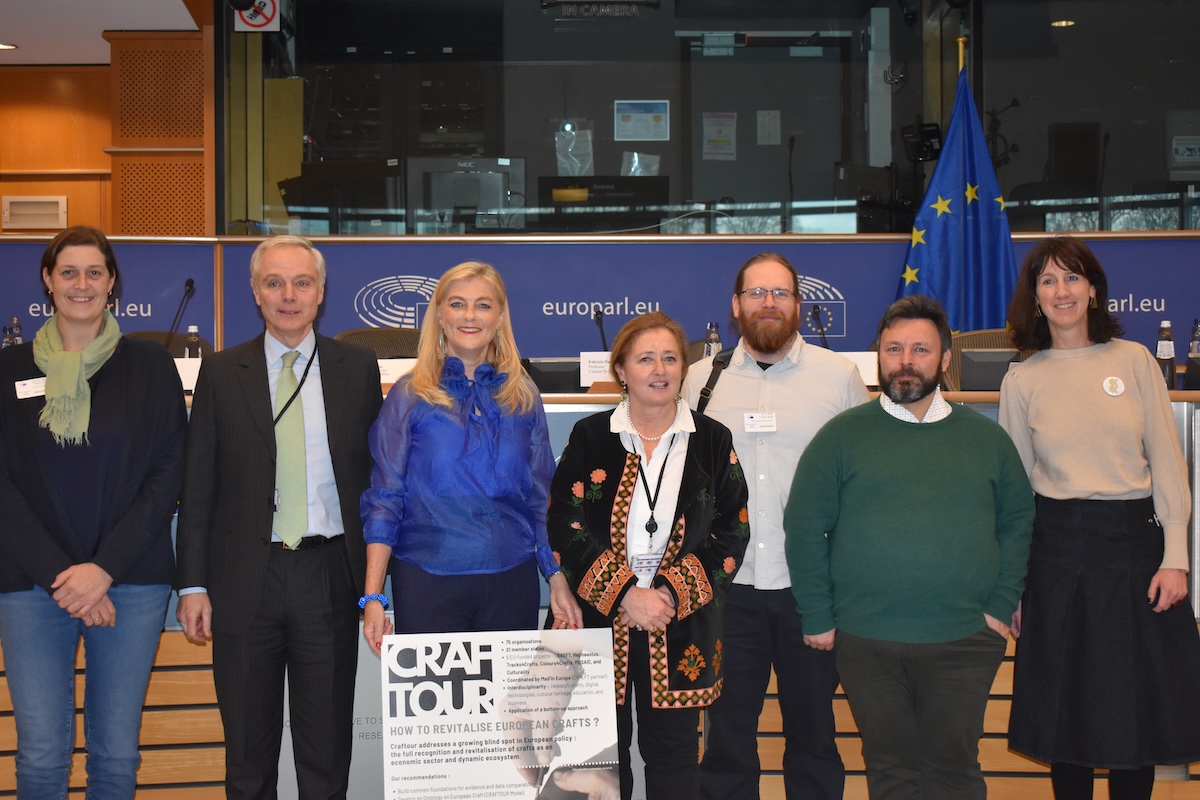
CRAFTOUR group photo.© Mad_in Europe In the photo representing HEPHAESTUS project: Vishv Priya Kohli, Associate Professor of Law & Management at the Department of Business Humanities and Law at Copenhagen Business School, Denmark and HEPHAESTUS project coordinator and Margherita De Luca, Ca’ Foscari University of Venice, Italy.
Over two days, CRAFTOUR convened a rich exchange on the structural future of European craftsmanship, bringing together researchers, policymakers, practitioners, and a strong cluster of EU-funded projects working at the intersection of culture, economy, and territory. HEPHAESTUS was represented by Fabrizio Panozzo (Ca Forscari, Italy), Vishv Priya Kohli (Copenhagen Business School), Theodore Harper-Davis (University of Gothenburg, Sweden), and Margherita de Luca (Ca Forscari, Italy).
The CRAFTOUR initiative brings together four pioneering EU Horizon Europe projects: Craeft Project, Hephaestuscraft.eu, Tracks4Crafts, and COLOUR4CRAFTS alongside the EU-funded projects MOSAIC and CULTURALITY.
Day 1 | 29.01.2026 | Scientific Conference, Antwerp, Belgium
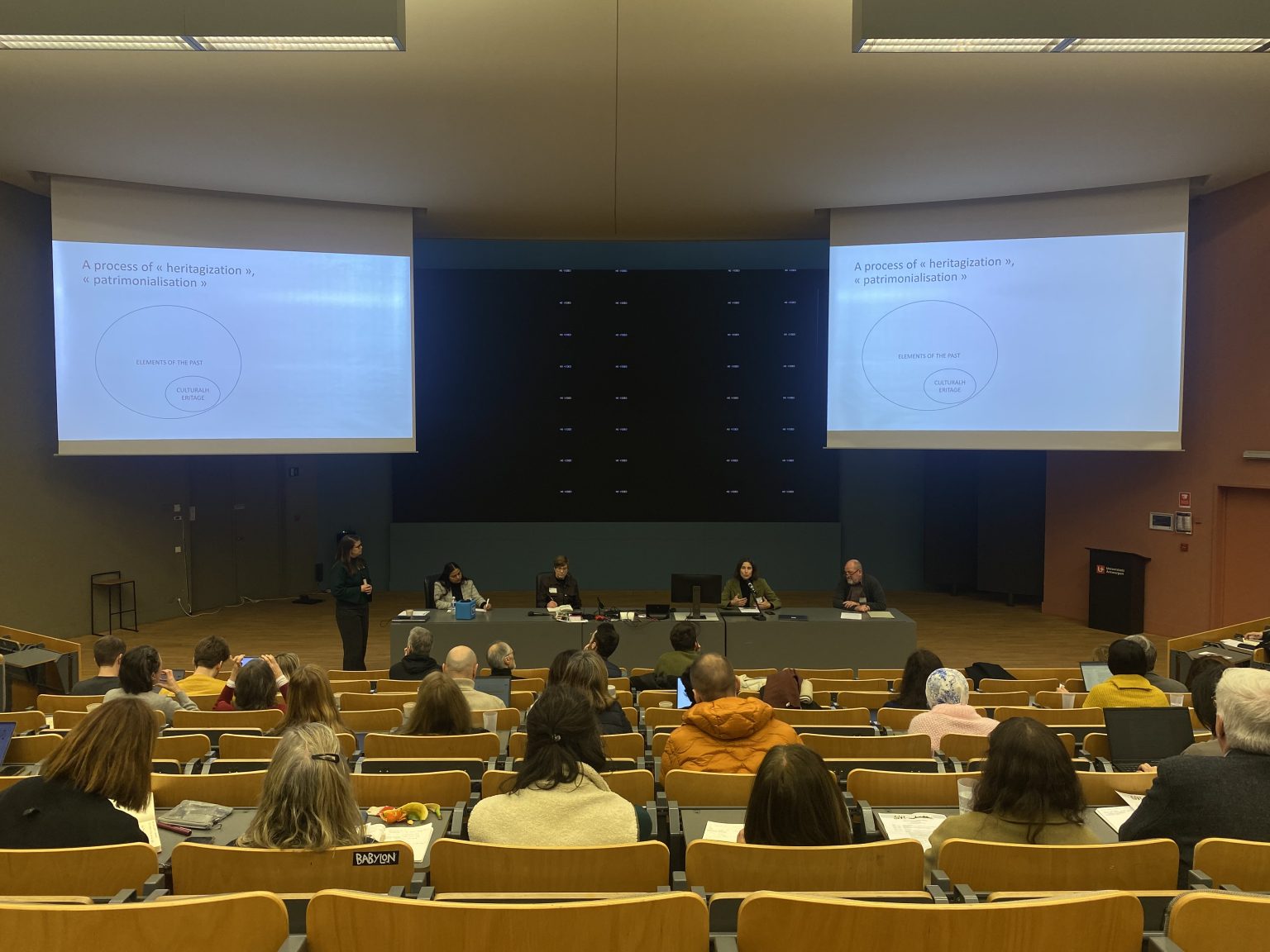
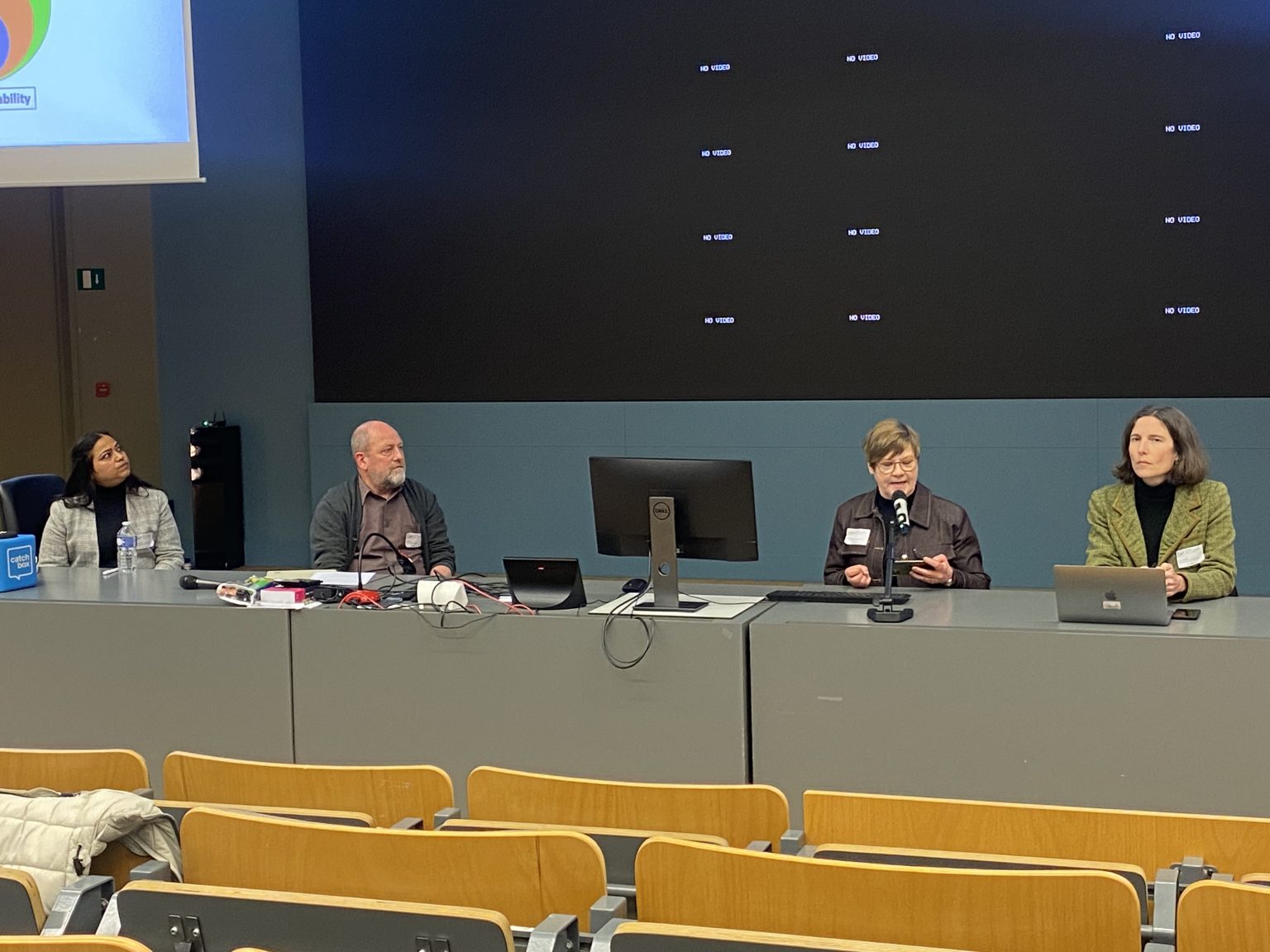
Roundtable 1: “Histories of value(s) and the governance of culture”
The session addressed fundamental questions surrounding what constitutes “craft,” exploring who defines it and how its social, economic, ecological, and cultural values are constructed, perceived, and governed.
The discussion focused on mapping definitions and meanings of craft within European contexts, while critically examining the political dimensions of mapping craft. The roundtable also explored the concept of authenticity, analysing how consumers construct and perceive authenticity in the marketplace, with particular attention to Geographical Indications (GIs) and the contextualisation of craft products. Additionally, the session reflected on the different value systems that drive and shape craft practices.
The roundtable brought together various experts in the field, including Vishv Priya Kohli, Associate Professor of Law & Management at the Department of Business Humanities and Law at Copenhagen Business School, Denmark and HEPHAESTUS project coordinator.
All participants of the Roundtable 1:
- Vishv Priya Kohli, Associate Professor of Law & Management at the Department of Business Humanities and Law at Copenhagen Business School, Denmark.
- Riikka Räisänen, Professor of Craft Science and Craft Pedagogy, University of Helsinki, Finland.
- Bert De Munck, Professor at the History Department at the University of Antwerp, Belgium.
- Francesca Cominelli, Associate Professor at the University of Paris 1 Panthéon-Sorbonne and Vice-Director of EIREST, France.
Moderator: Dr Julie De Groot, Post-doctoral Researcher and Project Coordinator at the University of Antwerp, affiliated with the Department of History and the Antwerp Research group in Cultural Heritage Sciences (ARCHES), Belgium.
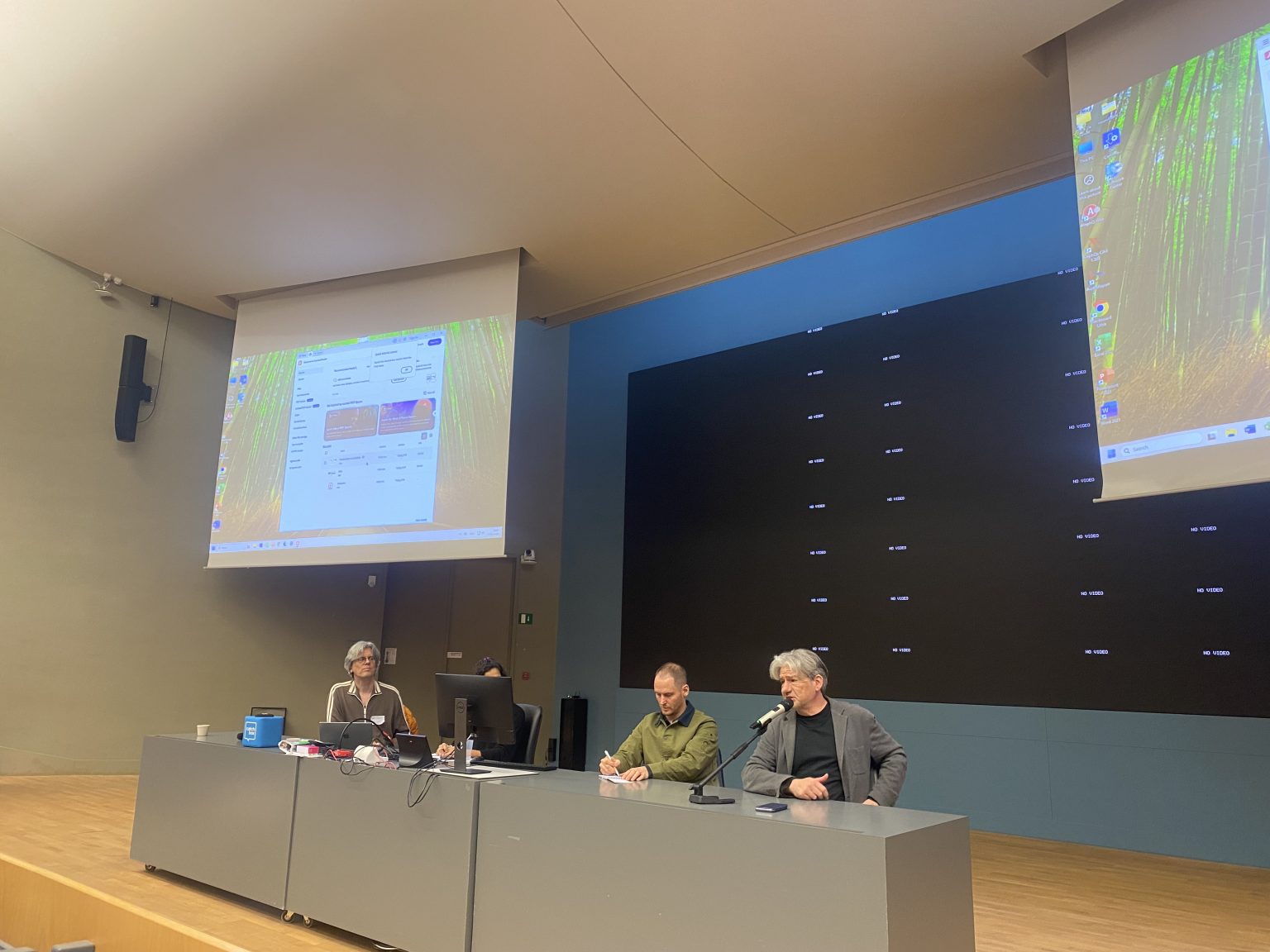
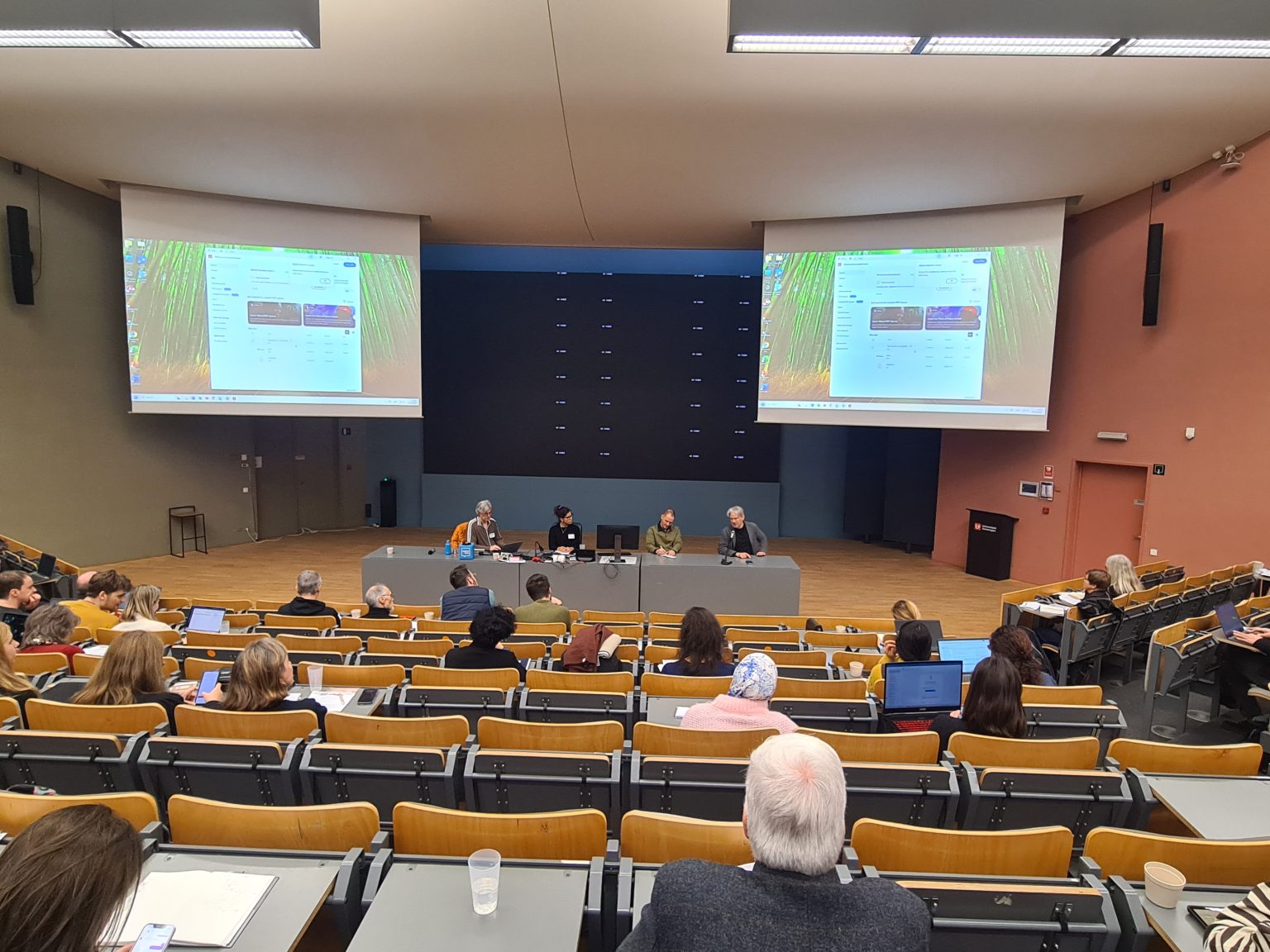
Roundtable 2: “Digital Imaginaries and Crafts in Transition”
This discussion examined the growing role of technology in the crafts sector. It explored how digital tools, including artificial intelligence, are shaping current practices, emerging trends, and the sustainability of craftsmanship while supporting cultural identity. The discussion also reflected on how digital innovation challenges or reinforces traditional values and authenticity, as well as its influence on the training and learning processes of craft-makers. Case studies and pilot projects were presented to highlight practical applications of digital tools across different craft environments.
This discussion brought together four experts, including representative of the HEPHAESTUS project, Theodore Harper-Davis, PhD, Artist and Senior Lecturer at HDK-Valand, University of Gothenburg, Sweden.
All participants of the Roundtable 2:
- Theodore Harper-Davis, PhD, Artist and Senior Lecturer at HDK-Valand, University of Gothenburg, Sweden.
- Pammi Sinha, PhD, Professor of Fashion Management University of Leeds, School of Design, United Kingdom.
- Sofia Soledad Duarte, Post-doctoral Research Fellow, designer, and lecturer at Politecnico di Milano, Italy.
- Dr Xenophon Zabulis, Research Director at the Institute of Computer Science – Foundation for Research and Technology, Hellas, Greece.
Moderator: Jouke Verlinden, Professor at Faculty of Design Sciences, University of Antwerp, Belgium.
The programme of Scientific Conference that happened on 29.01.2026 in Antwerpen, Belgium.
Take a glimpse into the Scientific Conference

Day 2 | 30.01.2026 | General Conference – European Parliament, Brussels, Belgium
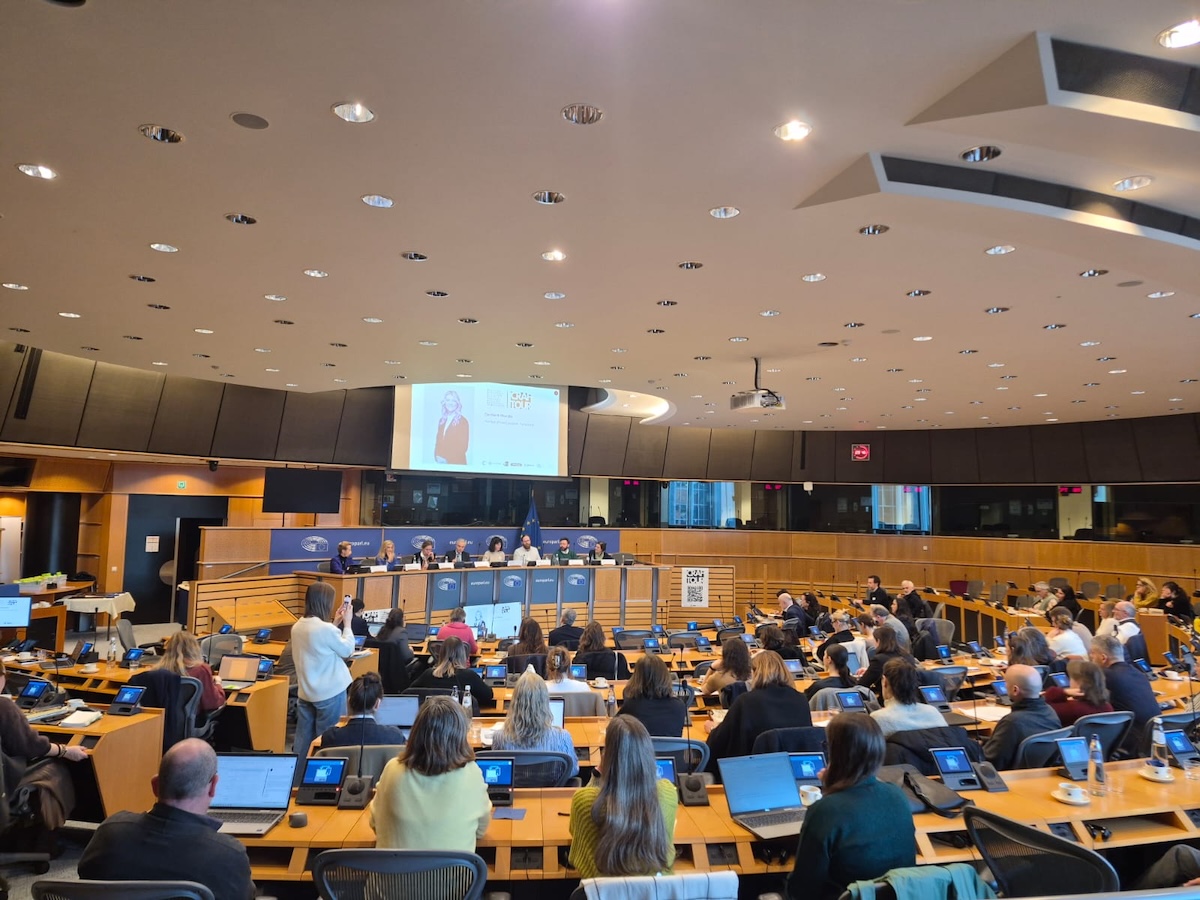
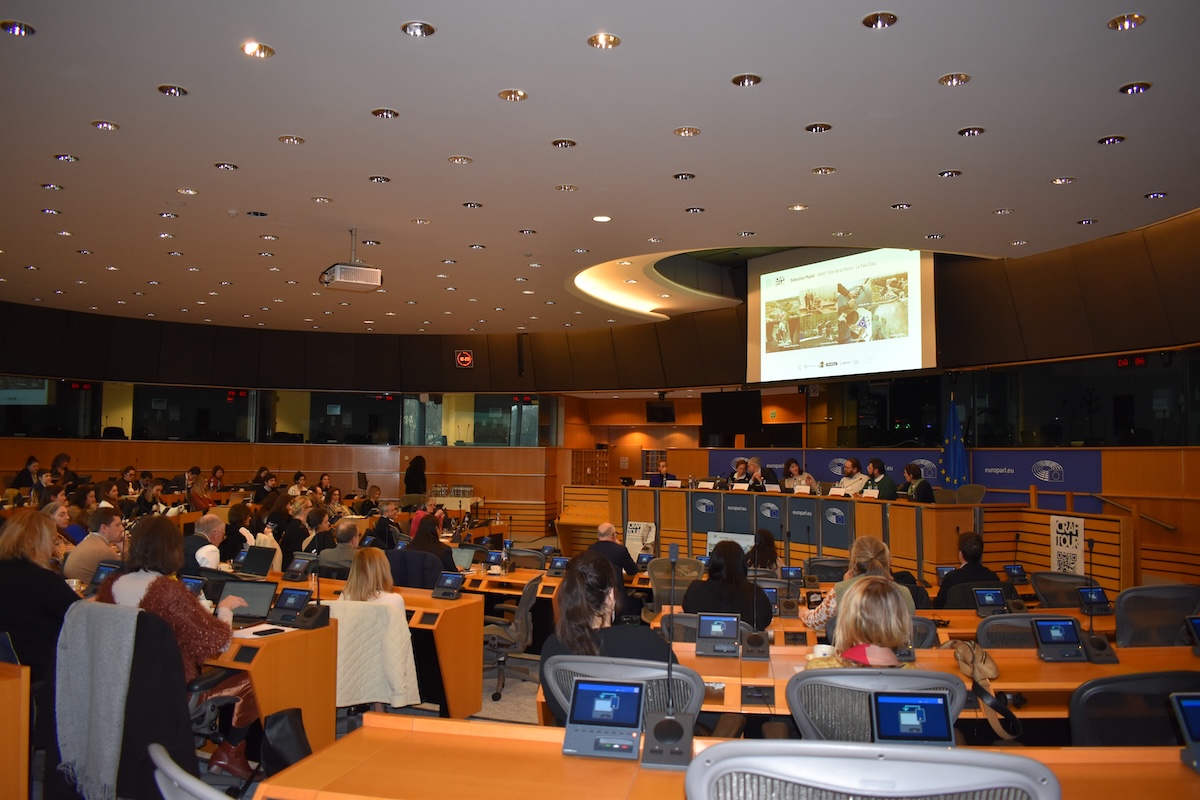
The CRAFTOUR General Conference, organized by Madina Benvenuti (Madin’Europe) and hosted at the European Parliament by Cynthia Ní Mhurchú (Renew Europe Group), shifted the focus from analysis to policy responsibility. Craft was repeatedly framed not as nostalgia or decoration, but as a productive, economic, social, and ecological force. Contributions from Reppel Katja (DG RTD), Madina Benvenuti (Madin’Europe), and panelists including Alfonso Pallavicini, Sébastien Mainil, Hugh Roche Kelly, Evy Lenoir, Lodovico Folin (UNESCO), Audrey AUBARD (FFIGIA), Xavier Long (Institut des Savoir-Faire Français), and Calum Iain Maciver (Harris Tweed Authority) highlighted persistent structural challenges.
Panel 2 | The Impact of Crafts on:
- Tangible and intangible heritage safeguard, territorial identity, cultural diversity and sense of belonging. European economic development and competitiveness.
- SME’s and microbusinesses, employment rural areas and sustainability
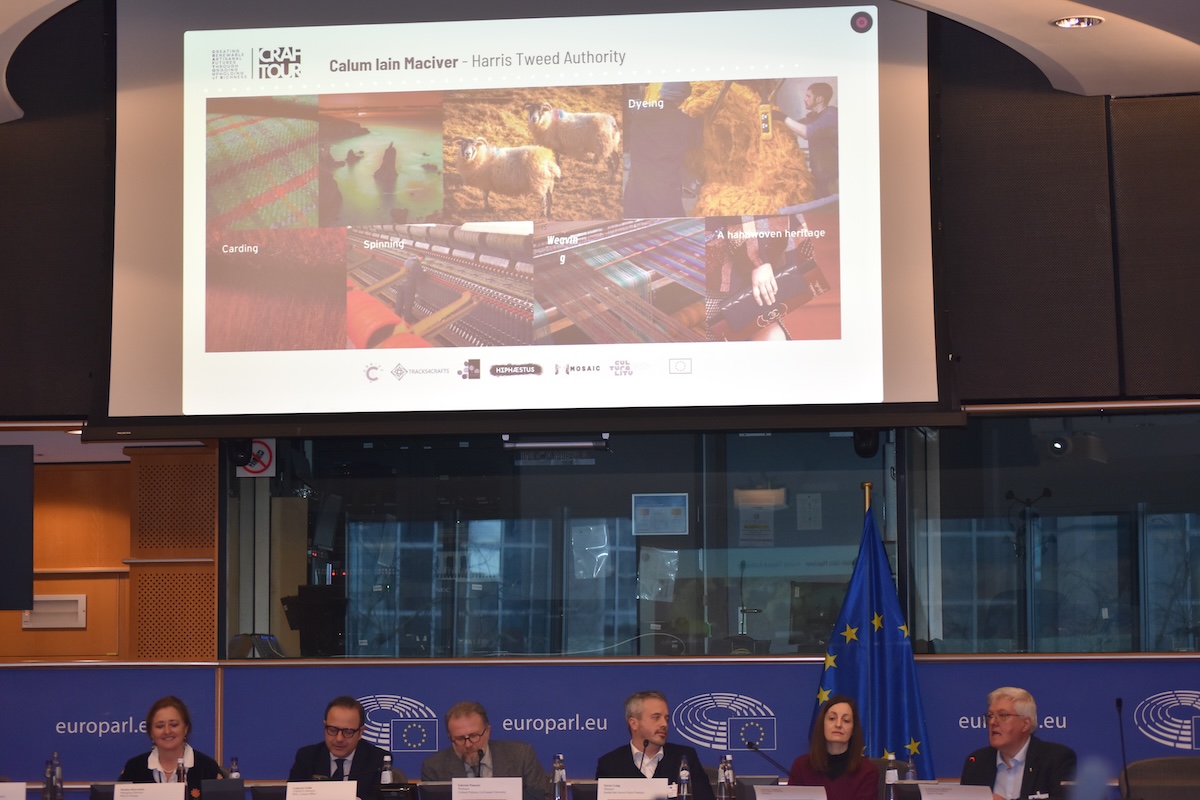
Panel discussion focused on examining the impact of crafts across multiple dimensions. The discussion addressed the role of crafts in safeguarding both tangible and intangible cultural heritage, strengthening territorial identity, promoting cultural diversity, and fostering a sense of belonging. The panel also explored the contribution of crafts to European economic development and competitiveness, with particular attention to small and medium-sized enterprises (SMEs), microbusinesses, employment opportunities, rural development, and sustainability.
Fabrizio Panozzo Professor of Cultural Policies at Ca’ Foscari University and partner within the HEPHAESTUS project was the moderator of the second roundtable. Across panels, one message resonated strongly: craft cannot be safeguarded separately from the people, skills, and territories that sustain it. Overregulation and one-size-fits-all rules risk undermining precisely those crafts that maintain Europe’s historic fabric, rural vitality, and regional identity.
Panelists:
- Lodovico Folin, UNESCO Representative to the EU
- Xavier Long, Deputy General Manager of the Institut des Savoir Faires Français
- Audrey Aubard, Secretary General, FFIGIA
- Calum Iain Maciver, Chief Executive of the Harris Tweed Authority
Moderator: Fabrizio Panozzo, Professor of Cultural Policies, Ca’Foscari University, HEPHAESTUS project partner.
Full programme of the General Conference
Take a glimpse into the General Conference


What is CRAFTOUR?
CRAFTOUR is a European coordination initiative launched in October 2024 to strengthen collaboration across the crafts sector. The initiative brings together 75 partners from 21 countries, including research institutions, crafts organisations, educators, heritage stakeholders, and digital innovation experts.
The project was established to respond to fragmentation within the sector by pooling knowledge, research results, methodologies, and policy efforts from six EU-funded projects. By combining expertise across disciplines, CRAFTOUR aims to create stronger and more evidence-based policy recommendations for the future of European crafts.
Strategic objectives of the initiative
CRAFTOUR is guided by four main strategic objectives that shape its research and policy development work.
The first objective focuses on improving documentation, monitoring, and data collection to enhance visibility and support evidence-based policymaking. The initiative also prioritises safeguarding authenticity by strengthening protection mechanisms against imitation and misuse, recognising authenticity as a key cultural and economic asset.
Another important priority is supporting skills transmission through both formal and non-formal education, addressing the growing shortage of skilled crafts professionals across Europe. Finally, CRAFTOUR promotes sustainable business models that connect heritage, education, production, and market development, supporting long-term viability for crafts-based enterprises.
Strengthening the future of European crafts
The CRAFTOUR General Conference demonstrated how cooperation between policymakers, researchers, educators, and crafts professionals can help build a more resilient and competitive crafts sector in Europe. By combining scientific evidence with practical experience, the initiative aims to support sustainable development while preserving Europe’s rich cultural heritage.
More information about the initiative and partner presentations can be found on the official CRAFTOUR website:
https://projects.madineurope.eu/craftour/
Key outcomes
- Policy recommendations presented to the European Commission (December 2025), grounded in cross-country evidence.
- Preparation of a Scientific consolidation, through a peer-reviewed collective publication (Springer, forthcoming 2026).
- A bottom-up knowledge base, integrating practitioners’ experience with research findings.