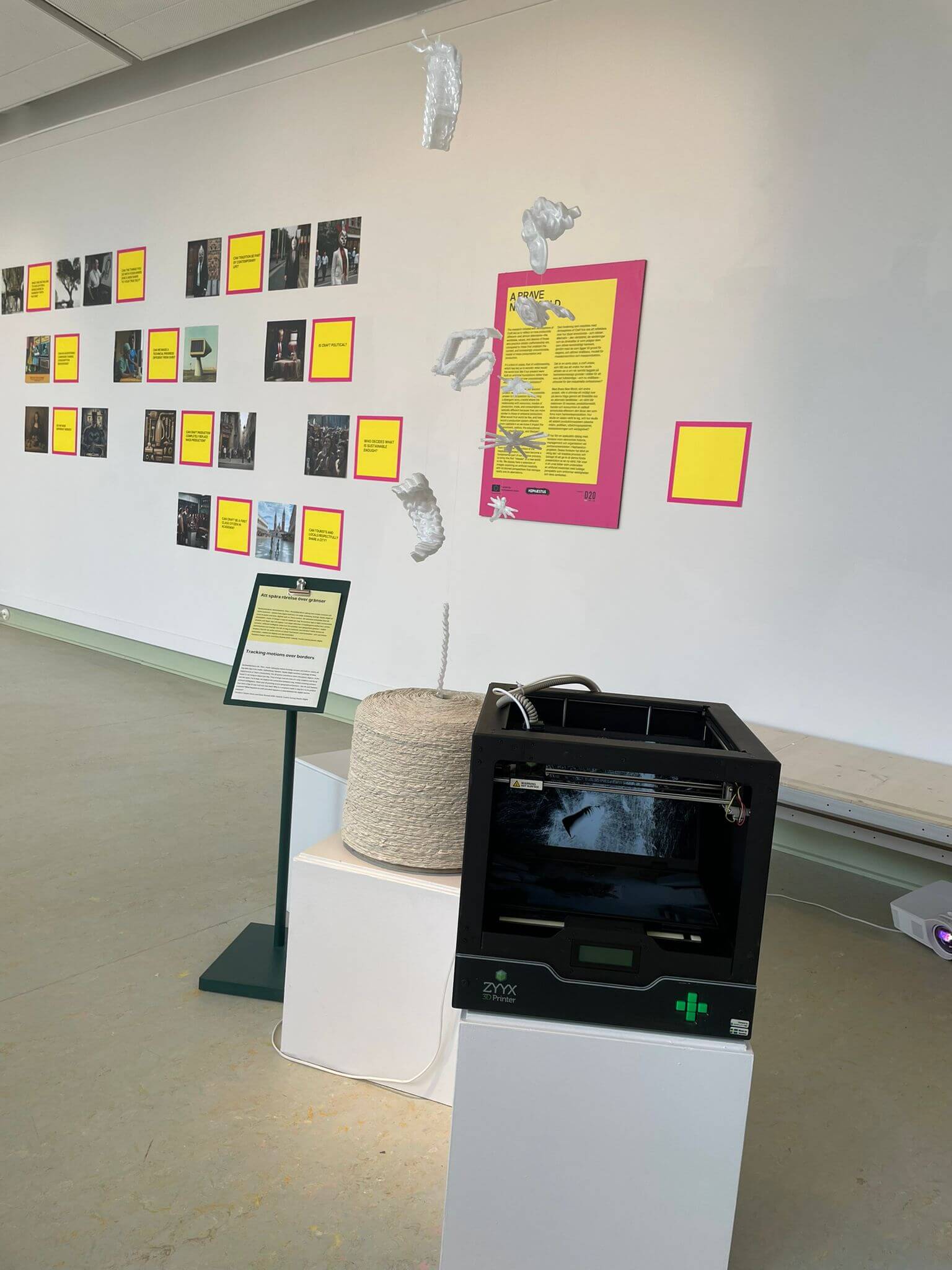
HEPHAESTUS project team embarked on a unique and thought-provoking experiment: What happens when we shift our focus from the crafted object to the craftsperson’s movements?
Instead of presenting traditional craft artefacts, we set out to capture and print the crafting movement—the often invisible, nuanced gestures of making that define craftsmanship but are rarely preserved or acknowledged. In line with other Hephaestus inquiries into the possibilities opened by the encounter between traditional craft and new technology, Elena Raviola, Torsten and Wanja Söderberg Professor in Design Management and part of the Hephaesuts team, put in place an experimental process involving a ceramicist and a programmer in a craft-data collaboration. This experiment questioned the nature of visibility in craft: What if the result of craft is not the object, but the act of crafting itself?
From motion to material
Using motion sensors, researcher and crafter Theodore Harper-Davis recorded the physical gestures of his clay crafting during his work in his studio in Northumbria, UK. The sensor-generated data—raw numbers tracking position, direction, and rhythm—was then cleaned and processed using AI pattern-recognition algorithms. What emerged were distinct motion signatures: patterns of movement that are, in many ways, unique to each making or craft process.
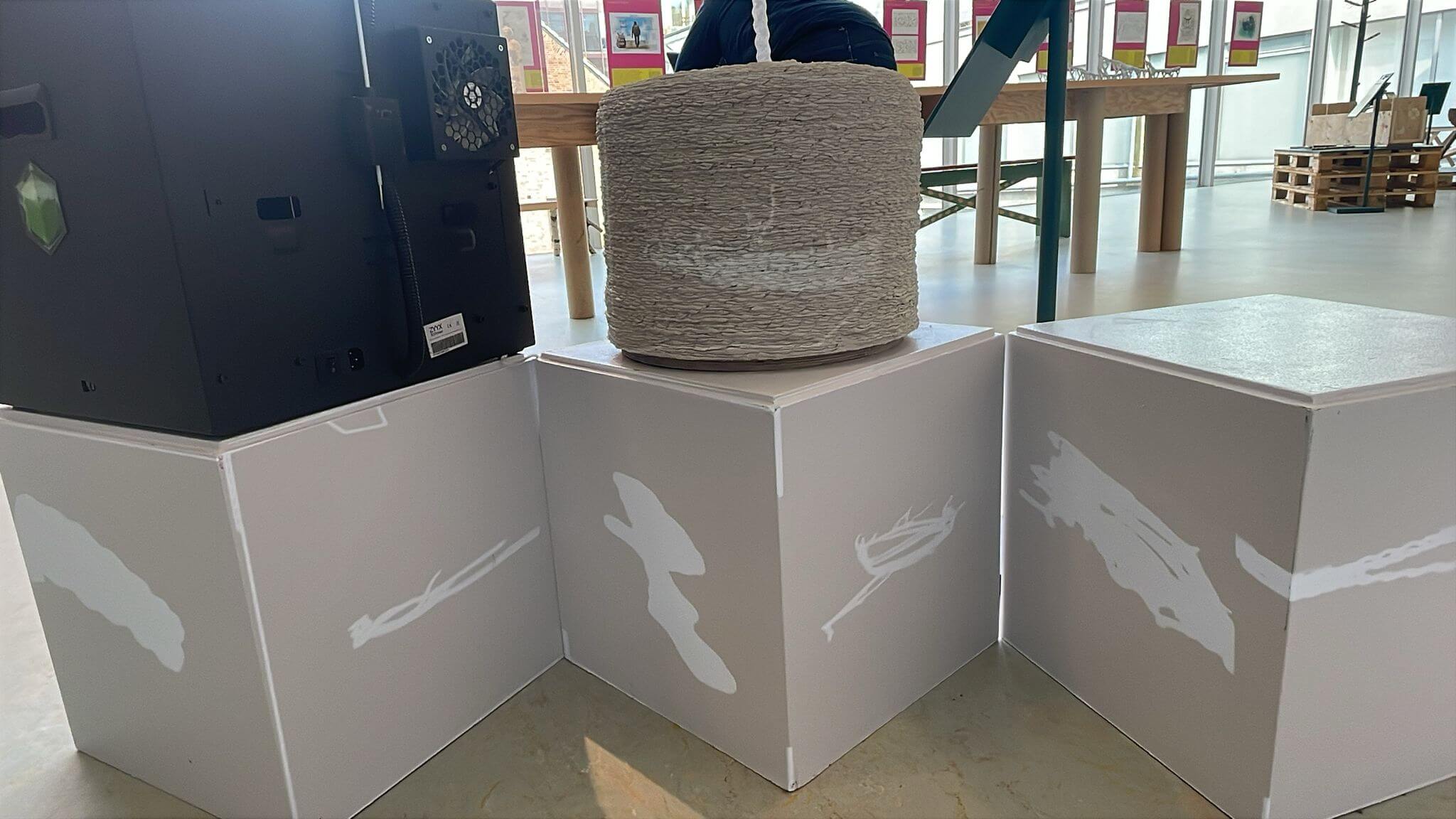
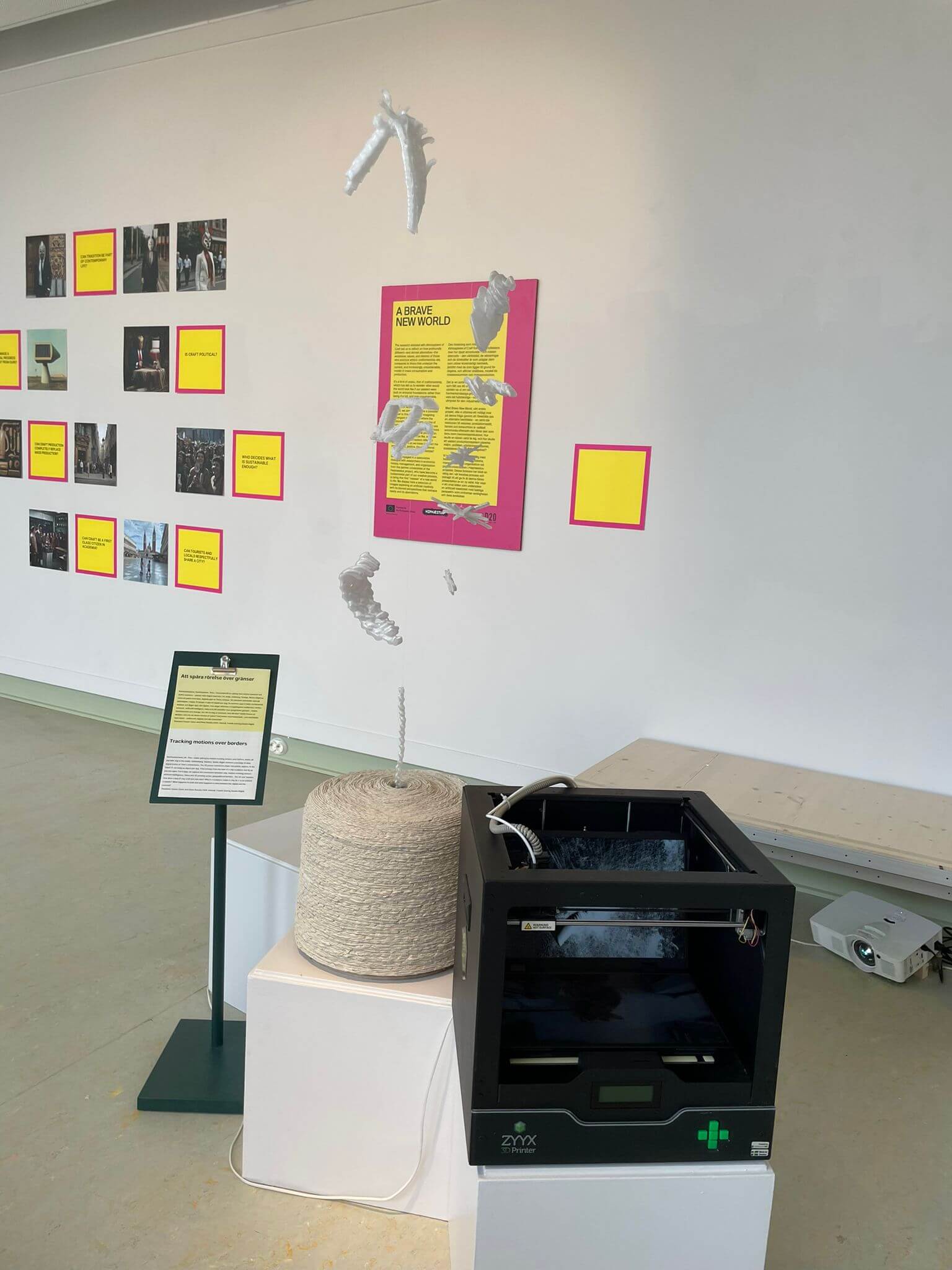
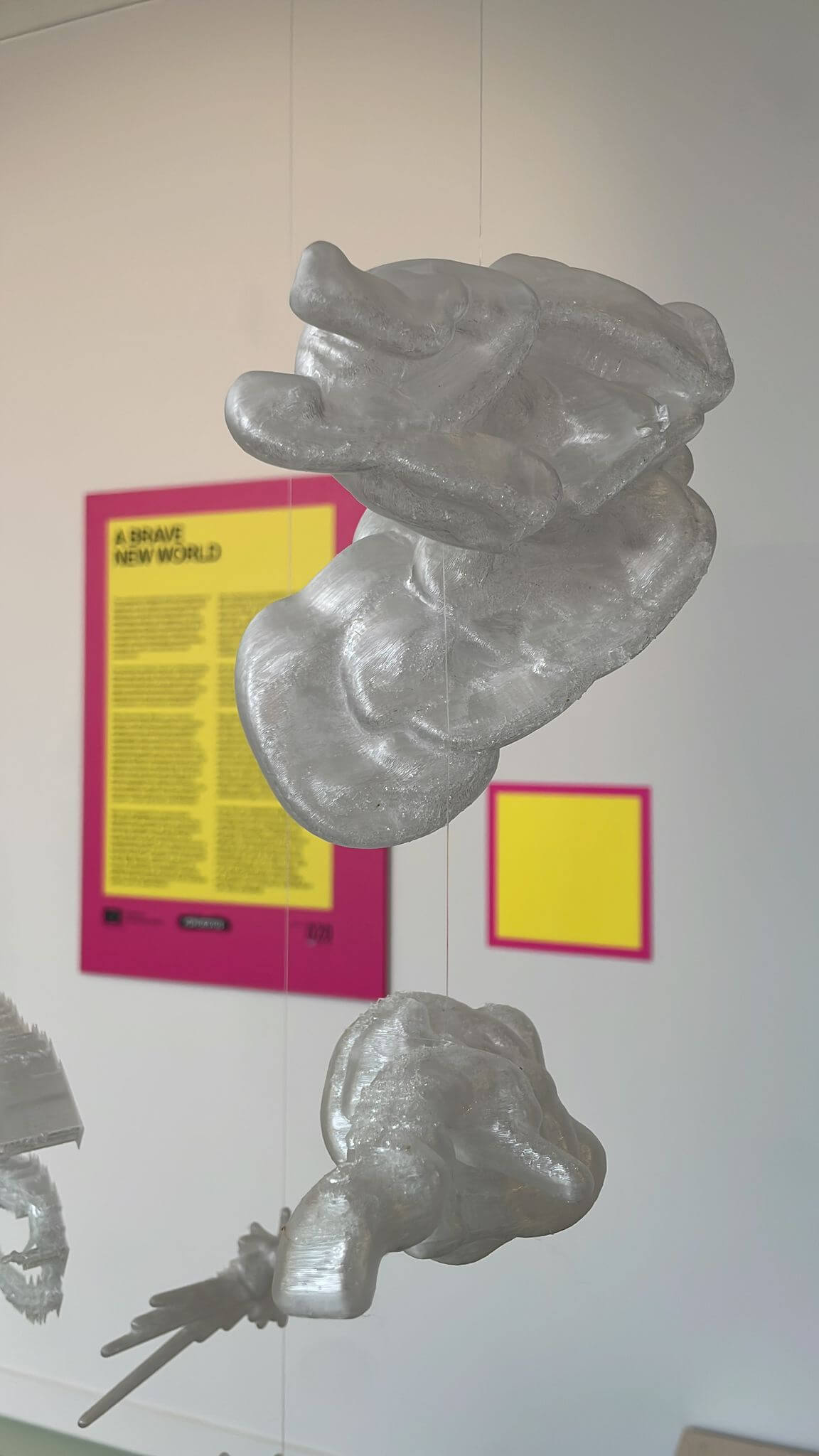
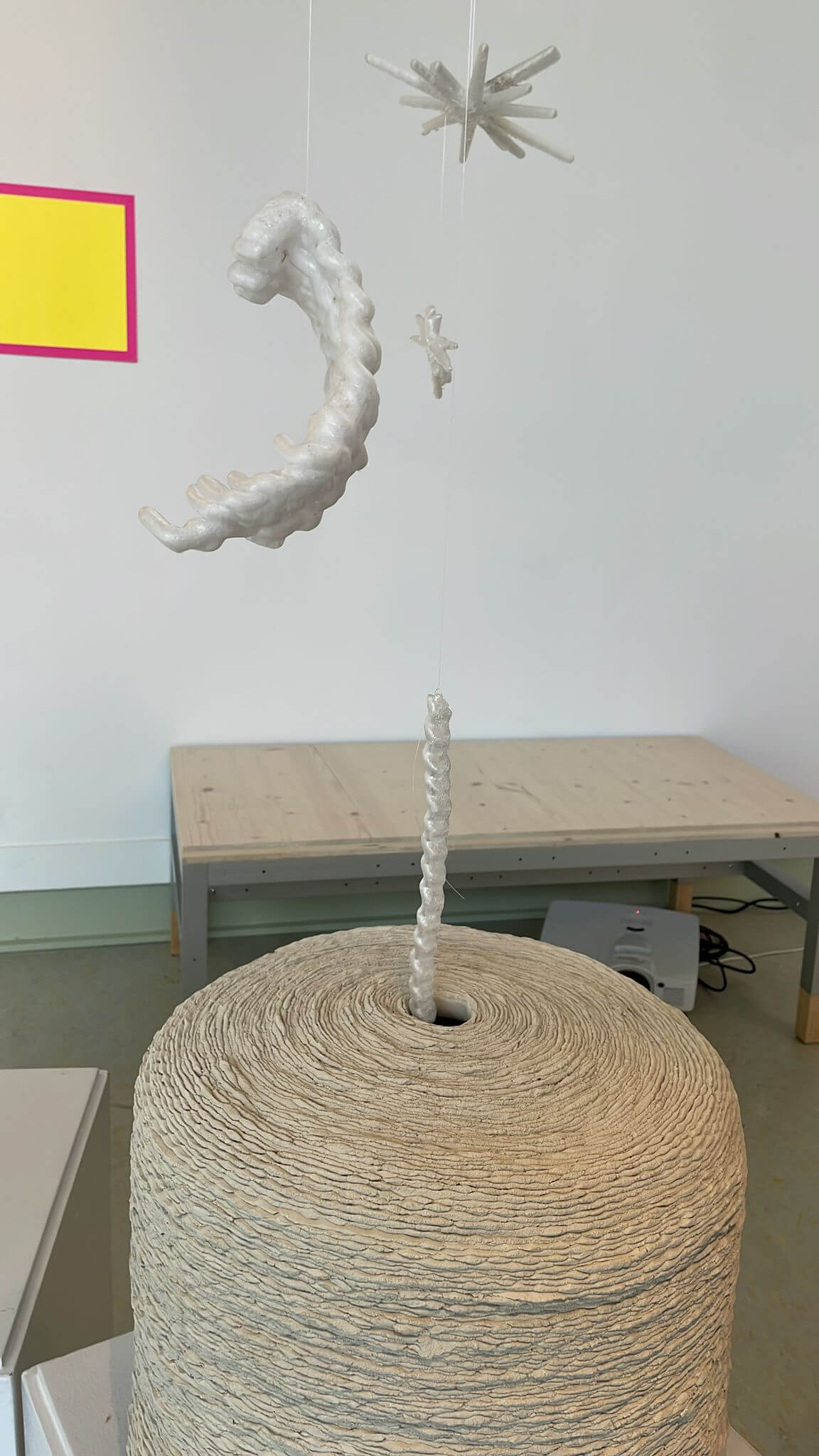
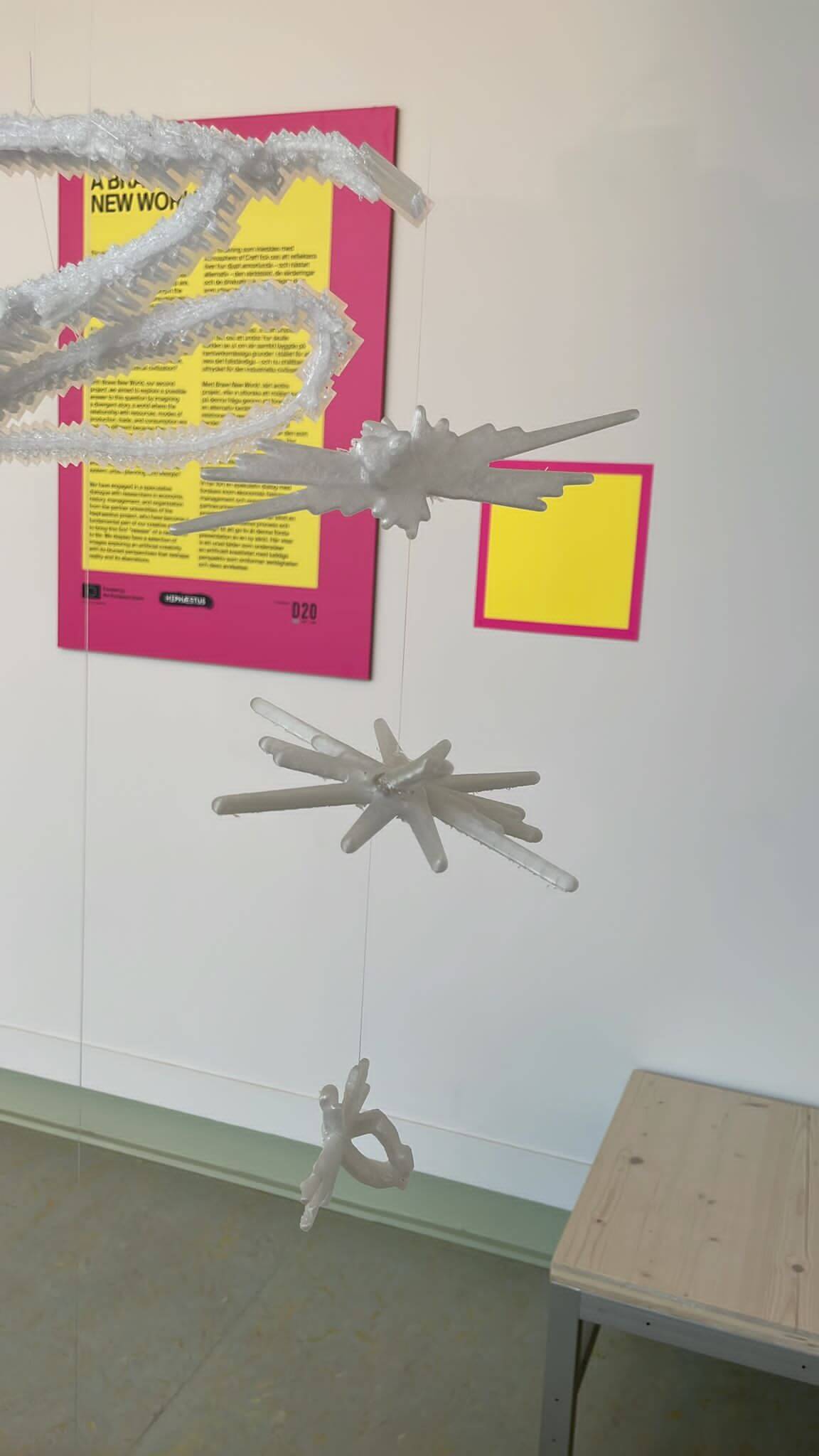
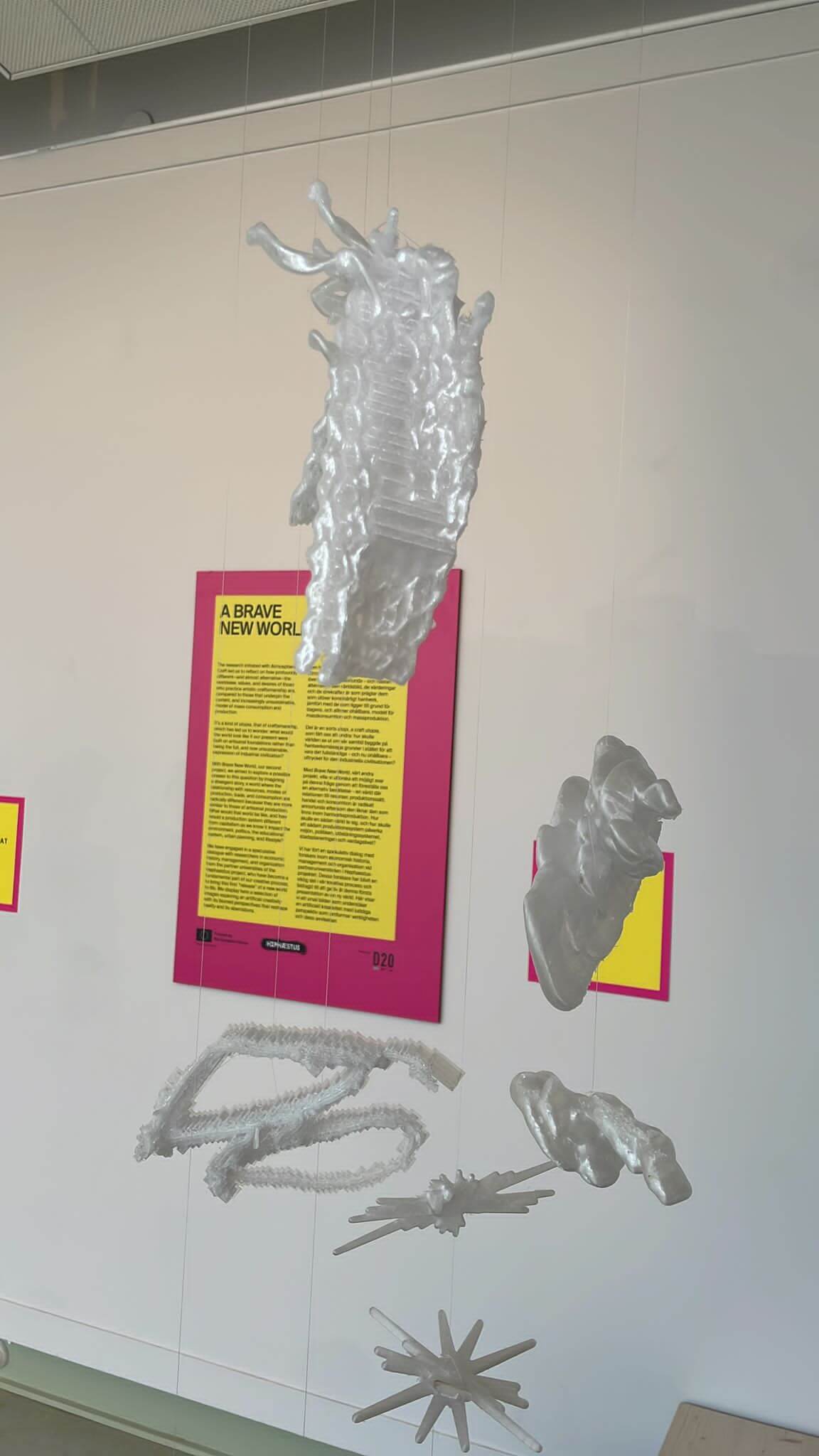
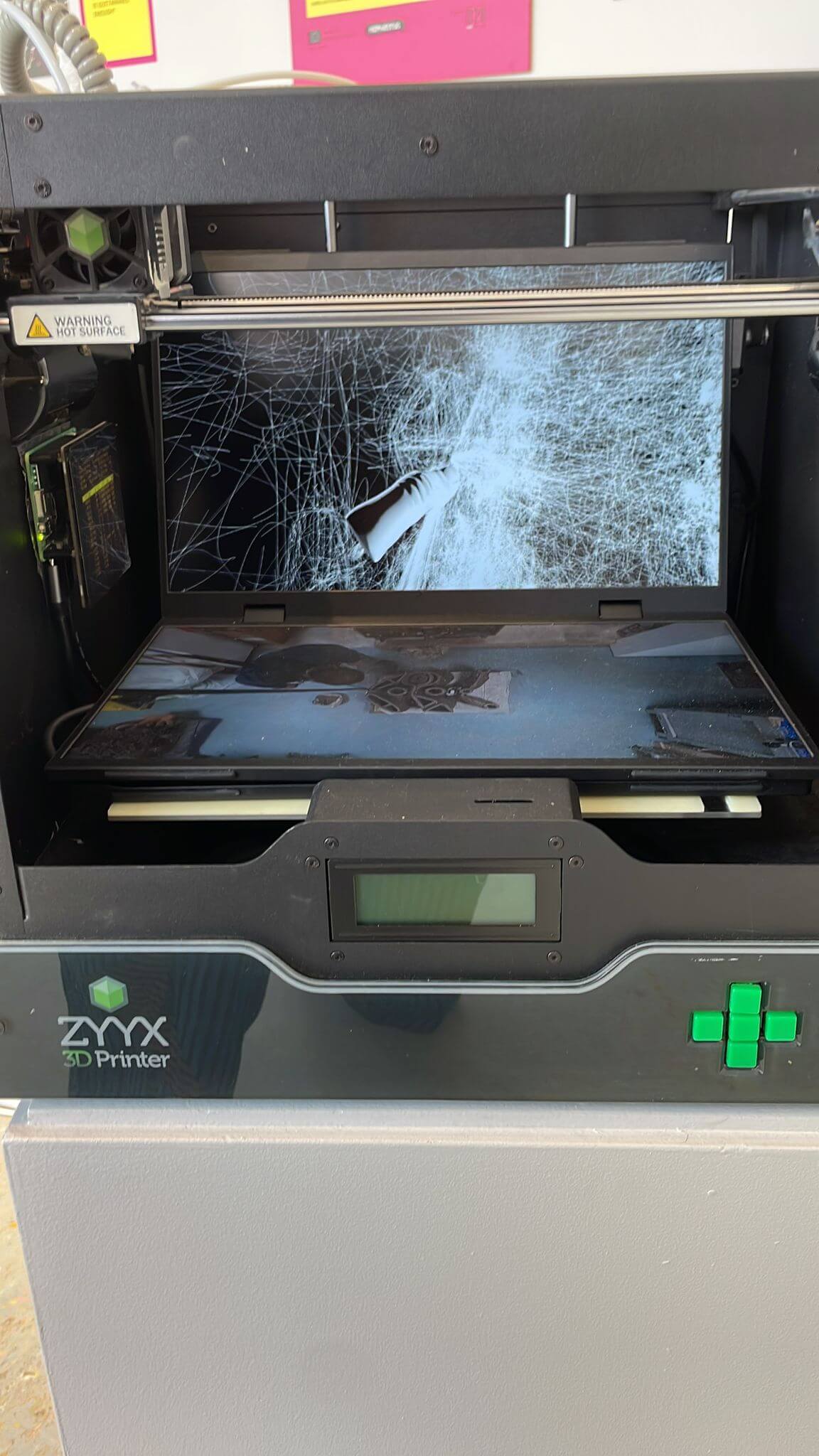
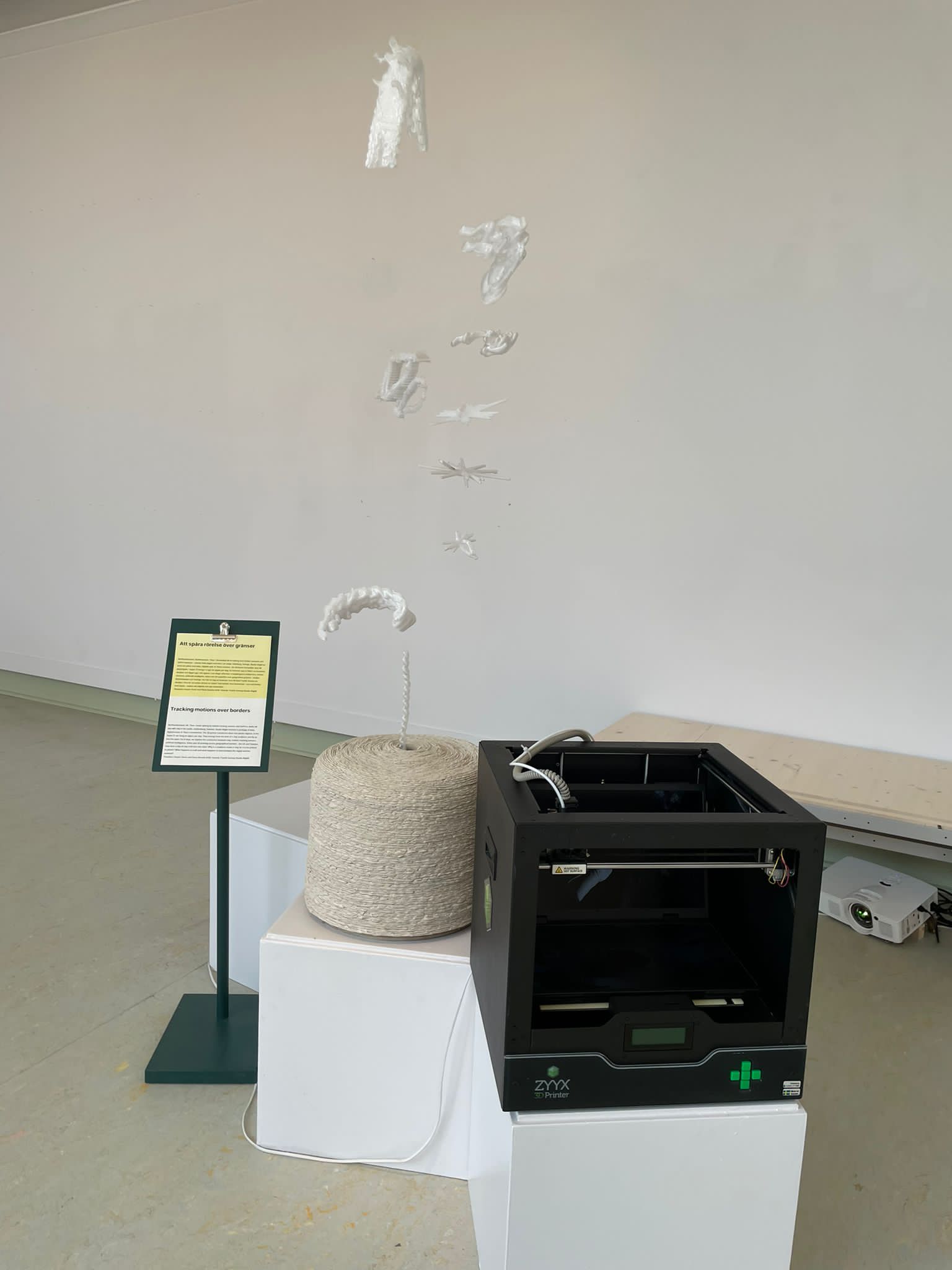
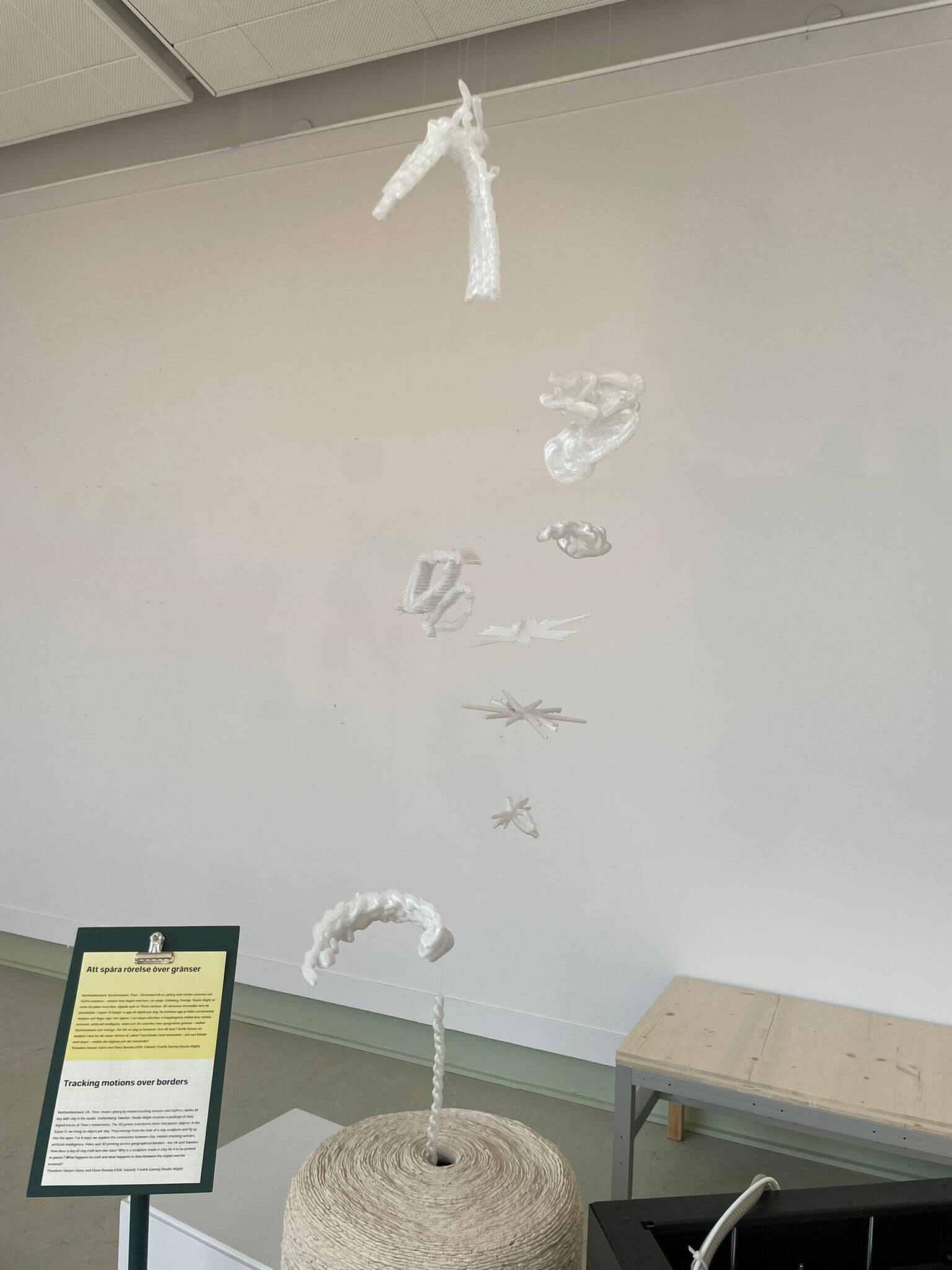
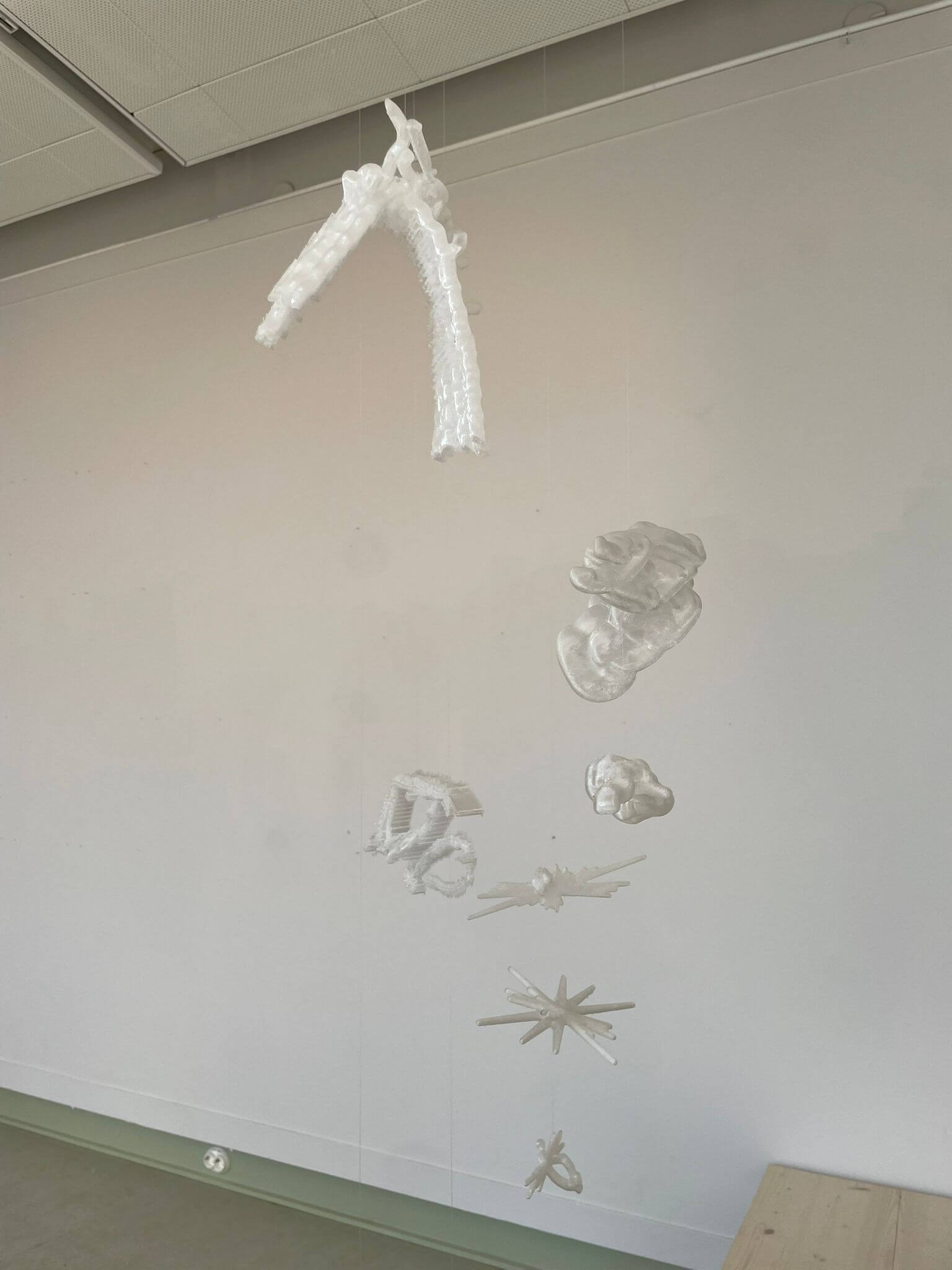
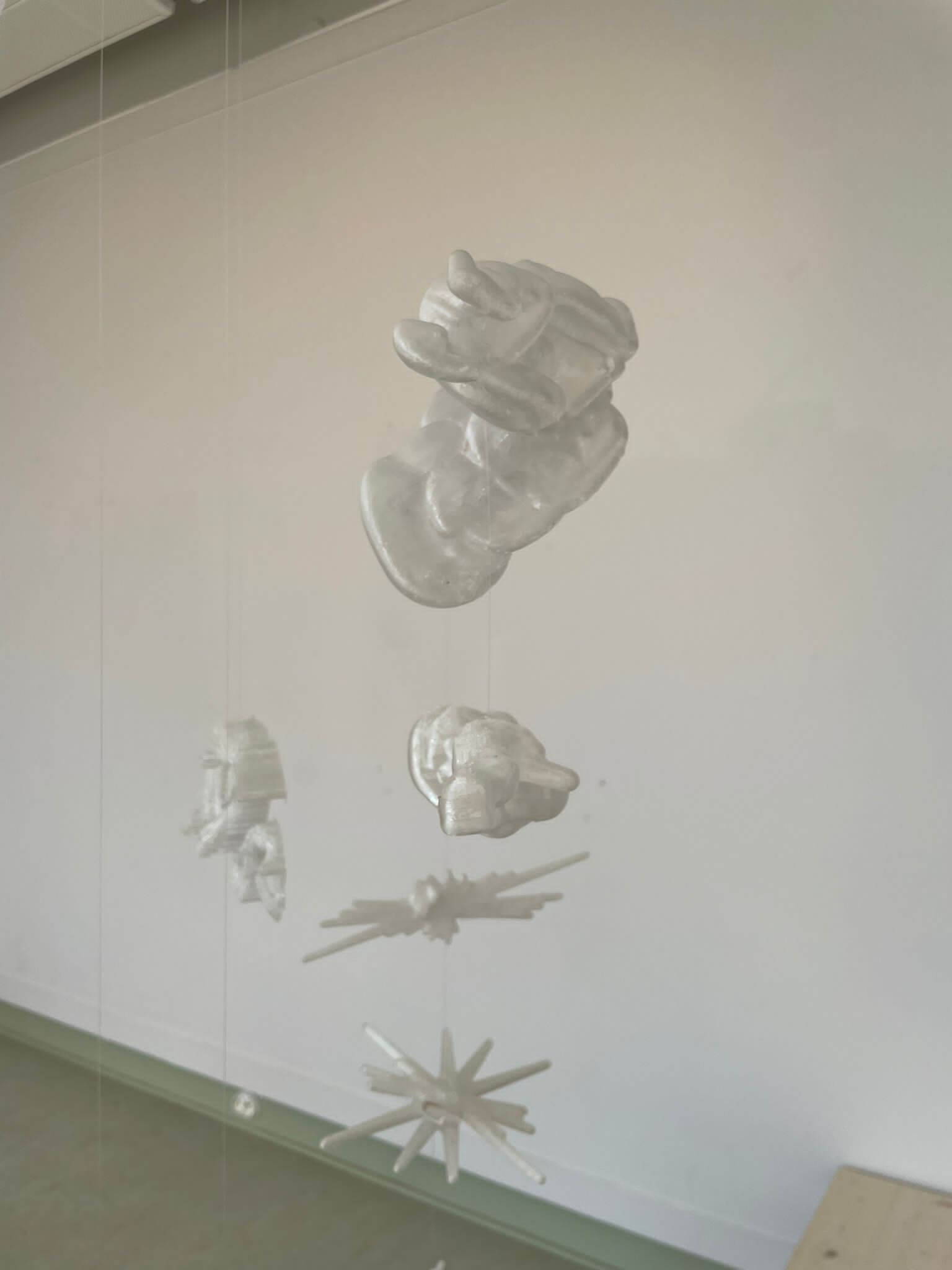
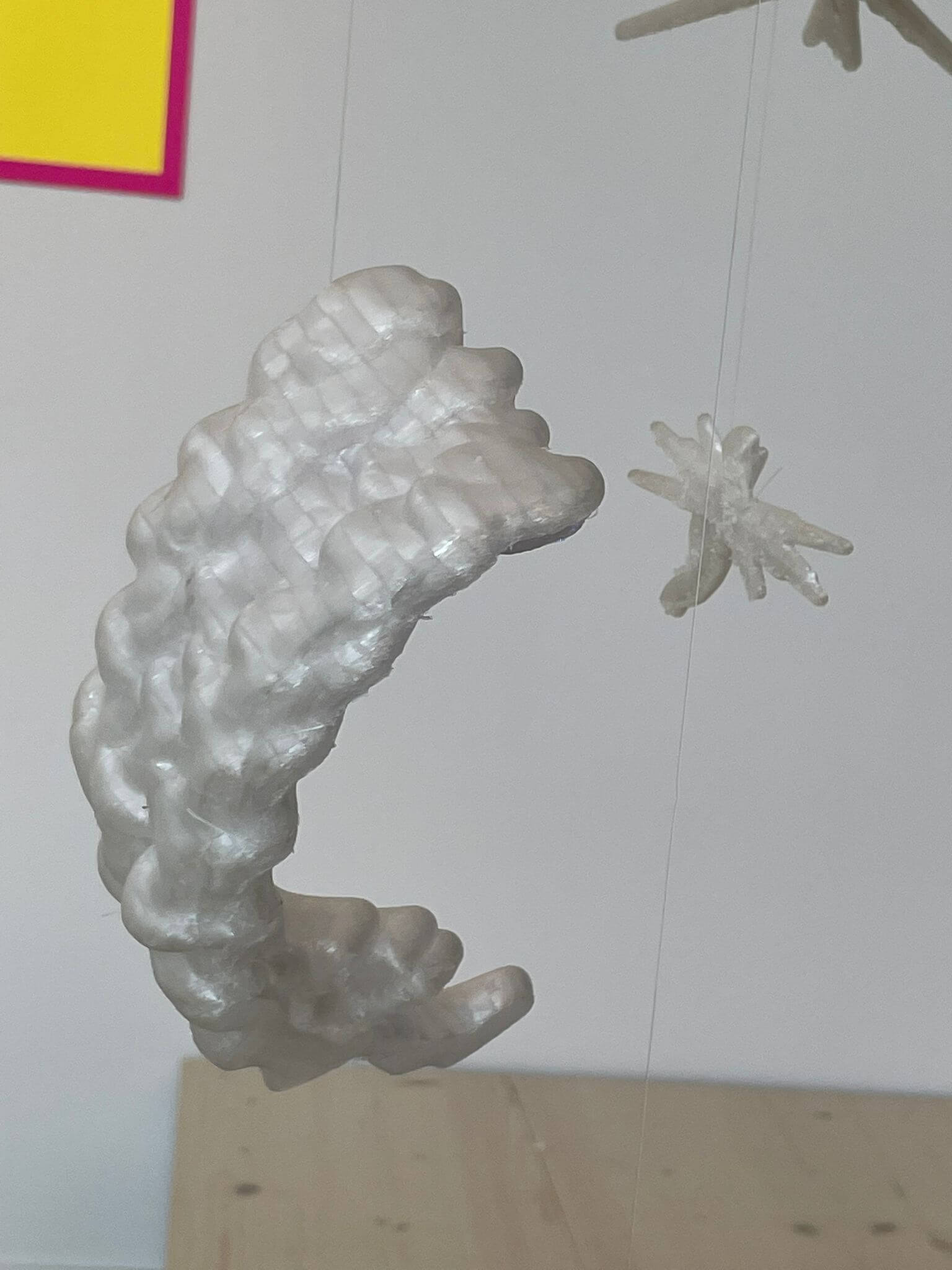
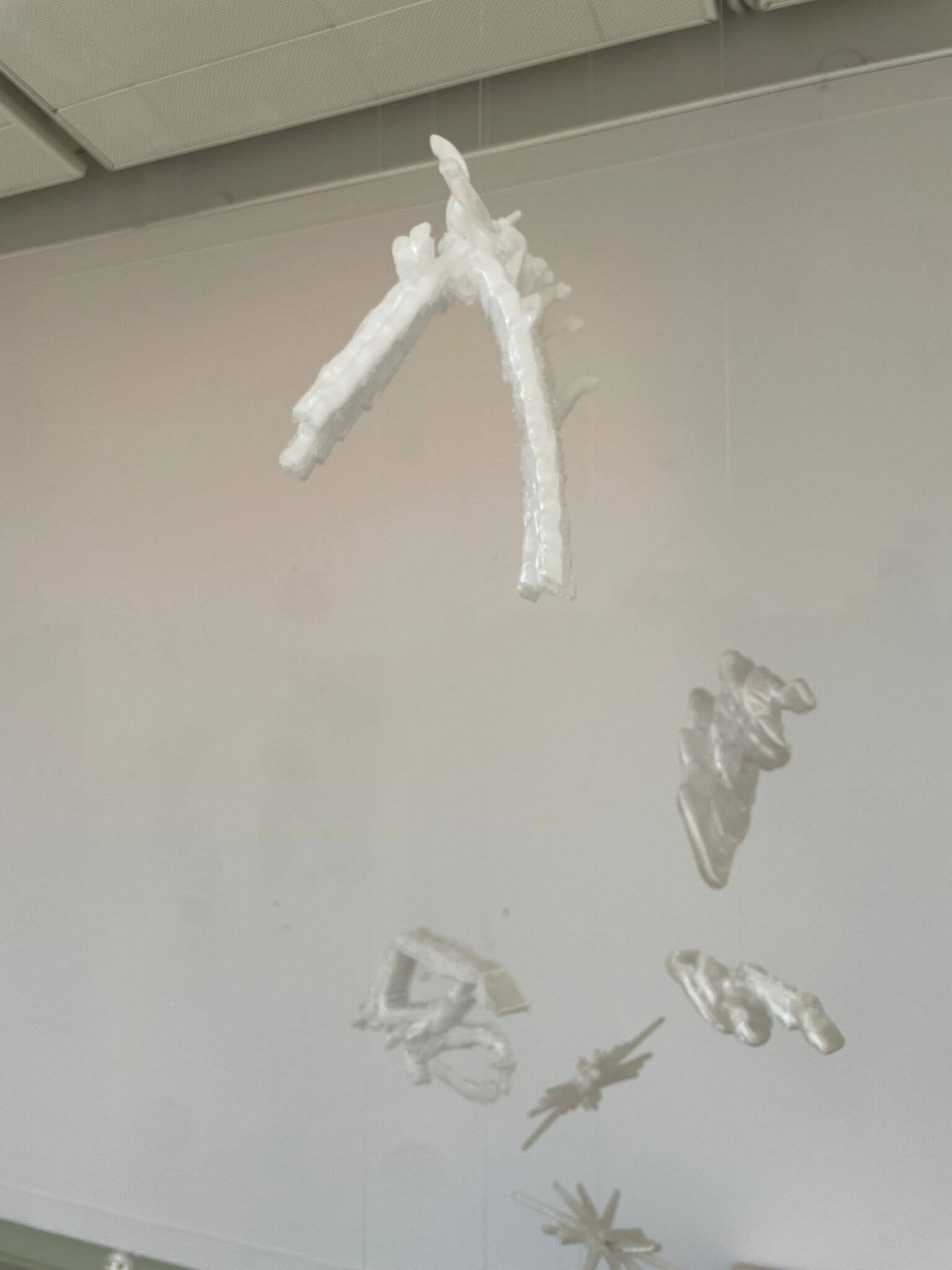
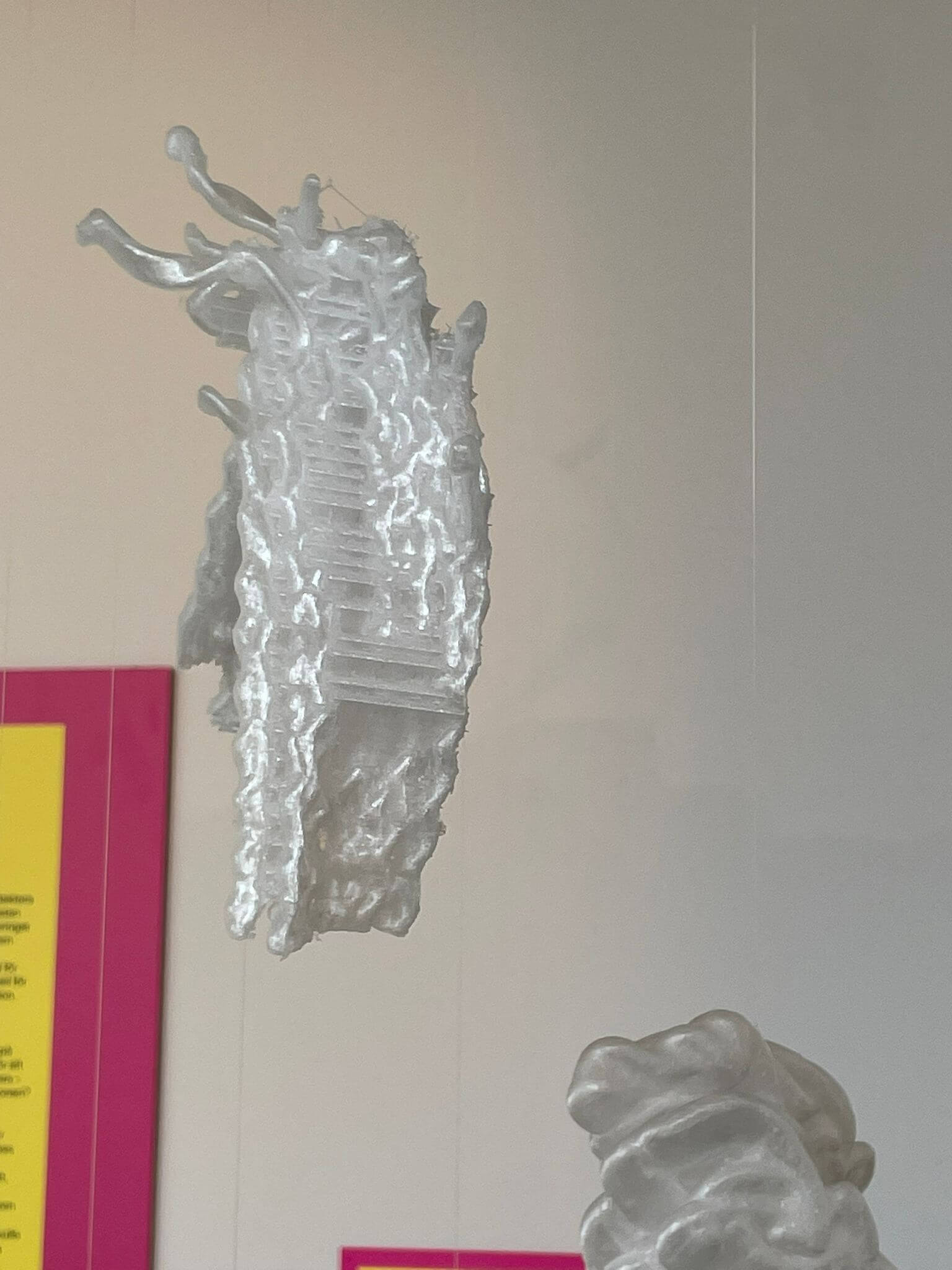
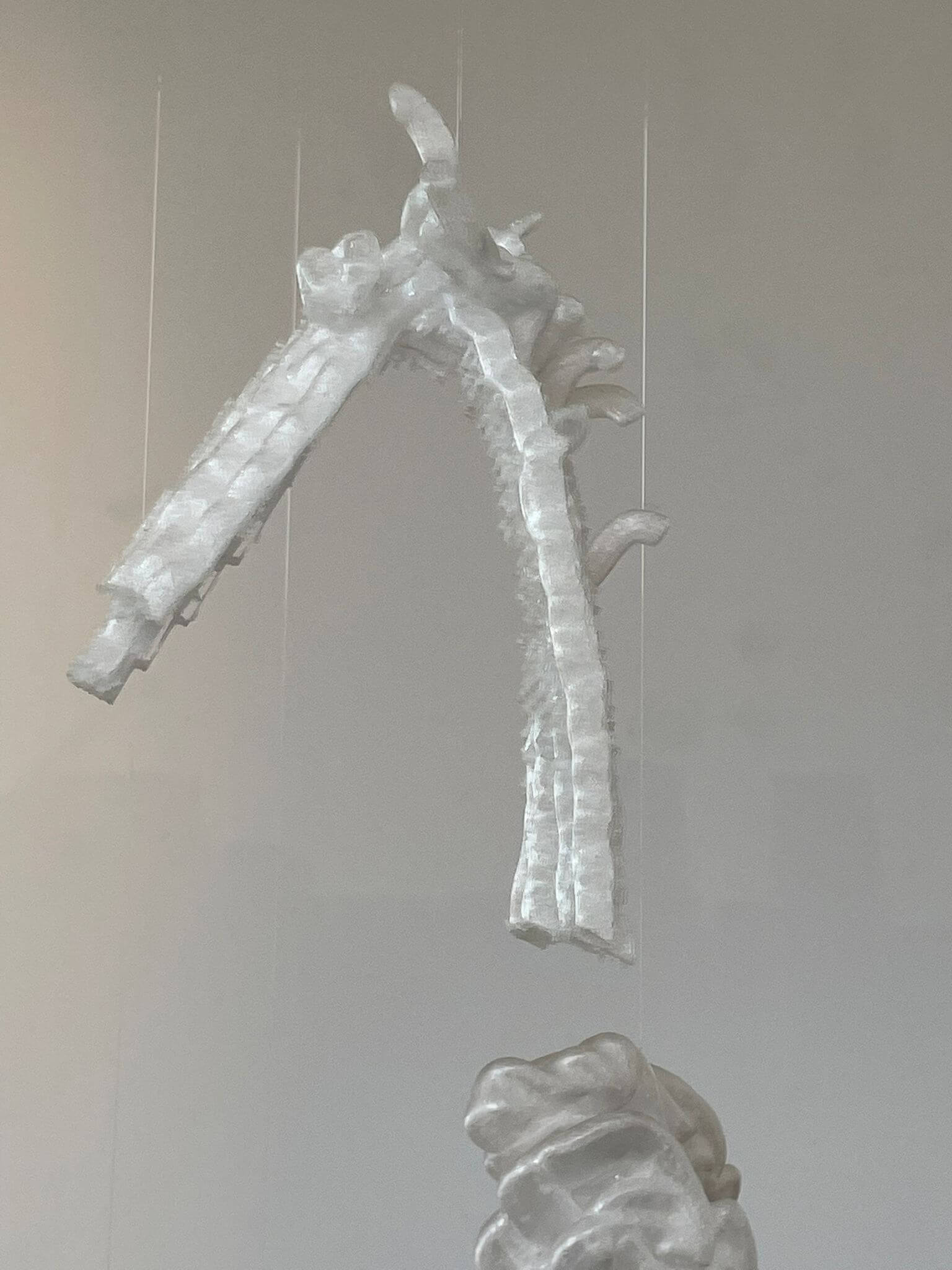
These data sets were visualized as processual images by programmer and artist Fredrik Garneij, showing how movements accumulated and evolved over time—an abstract yet intimate portrait of the maker’s actions. Selected segments of these visualizations were then transformed into 3D-printed forms, offering a tangible result from an otherwise intangible process, and installed at Röhsska Museum of Design together with moving visualization of motion tracking data.
What we found
Some of the resulting shapes resembled the objects being made, echoing the curves and flows of the craft. But others were entirely unfamiliar—shapes and motions that would have gone unnoticed without this data-driven approach. Are these images of emotions in craft motion? Do they bring the audience into the dreamy state of the craftmaker coiling clay? This discrepancy between the crafted object and the datafied pieces of movements reveals an important insight: the most visible outcomes of craft (the objects) may only tell part of the story. Much remains unseen, hidden in the maker’s gesture, timing, and physical rhythm.
A new perspective on craft
This experiment opens up new questions:
- Can movement be archived as craft knowledge?
- Do craftspersons have unique “movement signatures” that are as important as their techniques?
- How can technology help us redefine what we value, exhibit, and preserve in the world of making?
By datafying and re-materializing movement, the HEPHAESTUS project invites us to see craft not just as an object, but as a living, physical process—fluid, expressive, and deeply human.