Bornholm, a small Danish island nestled in the Baltic Sea near the Swedish shoreline, boasts a population of around 39,000 residents. It has gained popularity as a tourist hotspot, attracting over 500,000 visitors annually, and a significant portion of its economy revolves around this thriving tourism industry.
Bornholm, Denmark
Why Bornholm is chosen to be one of the HEPHAESTUS craft ecosystems
Bornholm has been selected as a significant focus for the HEPHAESTUS project due to its strong emphasis on innovation and circular economy within the craft sector. The island’s craft community has shown a remarkable commitment to sustainable practices and forward-thinking approaches. HEPHAESTUS aims to leverage this ecosystem to explore how traditional craftsmanship can seamlessly integrate with innovative technologies and contribute to a circular economy model.
The main challenges of the Bornholm in the context of craft
For craftmakers in Bornholm it is hard to make a living, as the they only sell most of their products during the high tourism season, in the summer time.
The craftmakers have difficulties to promote their crafts – advertisement, storytelling, due to limited knowledge in such fields as marketing, sales and limited access to galleries to promote their creations.
Being very humble in the context of promoting themselves, craftmakers have difficulties to position themselves to the world.
As the Bornholm is an island, most of the resources are imported. In the past craftmakers were able to use local resources. However, nowadays they are not allowed. As the market for the moment is very small, the craftmakers have to “wear several hats” fulfil the role of seller, creator, marketer, accountant and so on, thus it is difficult to maintain healthy work-life balance.
With all the responsibilities and task to do craftmakers have limited time and resources to incorporate new technologies and/or methods into their daily work.
The craftmakers have limited access and knowledge to funding and support opportunities to evolve, optimise and finance their craftmaking process.
Play Video
Craftmakers in the ecosystem
While the Bornholm ecosystem comprises various types of craftmakers, here are some of the most prominently represented to offer you a glimpse.
The project HEPHAESTUS expected impact on Bornholm ecosystem
It is expected that the green Living Lab will be established to facilitate new collaborations across the craft sector on Bornholm to support the transition to a circular economy and increase the resource utilization. The outcomes of the project will allow craftmakers to overcome several challenges and ensure that craftmakers can use their skills and knowledge to the full potential and ensure sustainable and profitable business from selling their products throughout the year.
Stay connected with HEPHAESTUS!
Are you a craft maker or artist within our vibrant ecosystem? Don’t miss out on the latest project updates, exclusive events, and valuable support opportunities designed just for you!
Subscribe to our Newsletter now and be the first to know.
Responsible for the HEPHAESTUS project ecosystem in Bornholm, Denmark
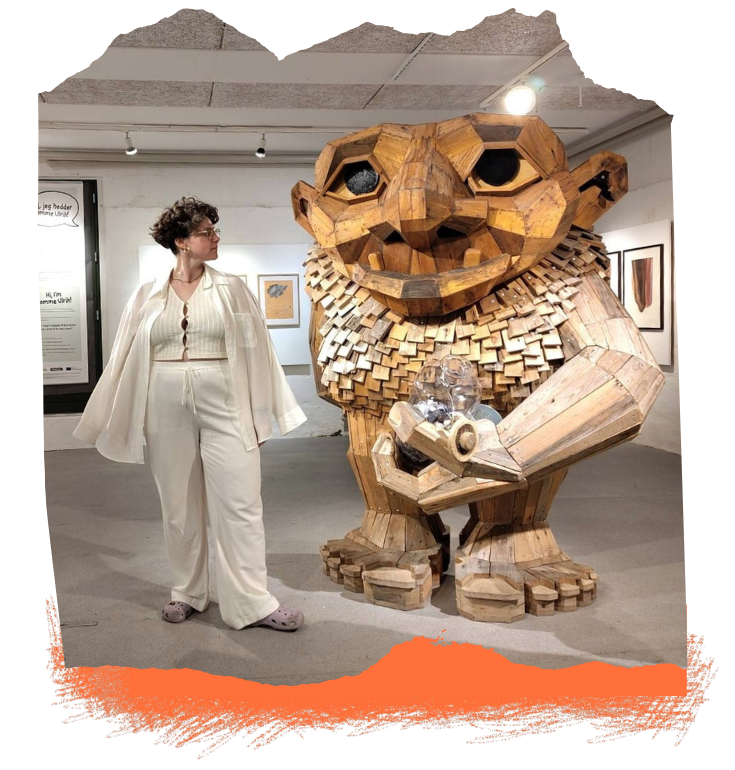
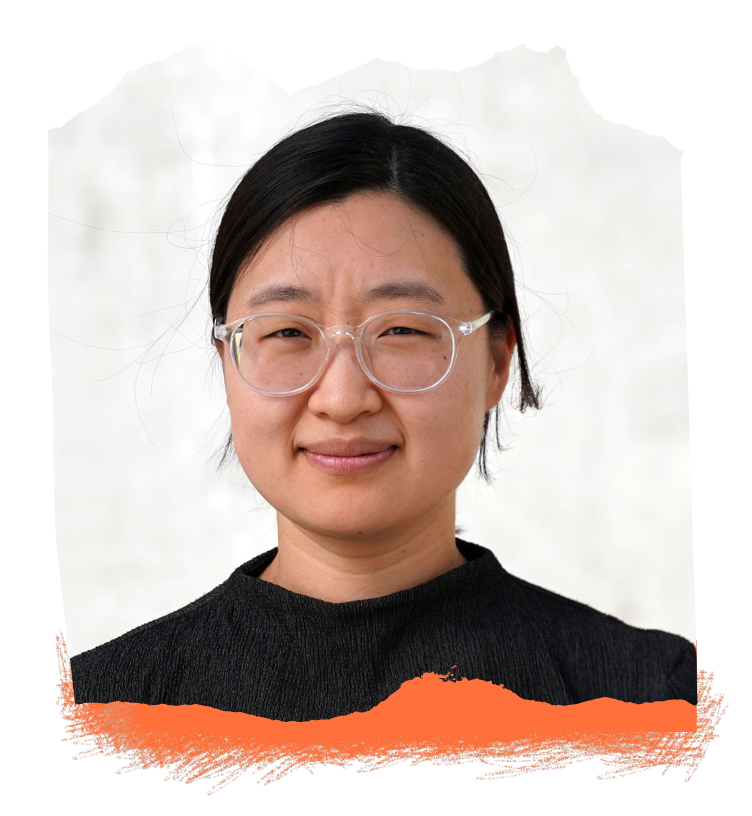
Rebbie Preston (they/them) and In Kyong Lee are responsible for the Bornholm ecosystem in the Horizon Europe project HEPHAESTUS, representing BOFA (Bornholm’s Waste Authority). If you are a craft maker and would like to be involved in the project, do not hesitate to contact them. You can also reach out to Rebbie or In Kyong Lee if you are interested in establishing a collaboration or learning more about this ecosystem.
Rebbie Preston
Rebbie serves as overall project lead for HEPHAESTUS on Bornholm, working in close coordination with co-project manager In Kyong Lee. With a multidisciplinary background in the arts, spatial design, and systems change, they are deeply entrenched in the day-to-day implementation of the project—making sure the Living Lab is not just an idea, but a functioning reality. Their work focuses on turning strategy into action: building infrastructure, brokering partnerships, and creating the conditions for circular craft practices to thrive.
Drawing on years of experience across the public sector, private industry, and creative communities, Rebbie collaborates closely with local artisans and institutions such as Maker’s Island, Bornholm’s Regional Municipality, and The Royal Danish Academy to advance innovation grounded in place-based traditions. Their approach centers cultural sustainability, co-creation, and long-term systems thinking to ensure that innovation is grounded, inclusive, and built to last.
Contact: rebbie(at)bofa.dk
In Kyong Lee
In Kyong Lee is the project manager of the HEPHAESTUS project and a practicing ceramicist based on Bornholm. With a background in Strategic Design and Entrepreneurship, she works at the intersection of craft practice, research, and sustainability. She is committed to giving voice to Bornholm’s craft community by strengthening international networks and fostering cross-disciplinary collaboration between craftspeople, researchers, industries and institutions. Through this work, she highlights the contemporary relevance of craft knowledge and its capacity to contribute to more sustainable ways of making and thinking. Being closely connected to the craft community, she is attentive to both the vulnerabilities of the sector and its potential to generate meaningful social and creative impact. She is particularly interested in encouraging craftspeople to engage with societal challenges and to position craft knowledge as an active contributor to current cultural and environmental discussions.